What Is a Level 2 ASP Electrician? Complete Guide
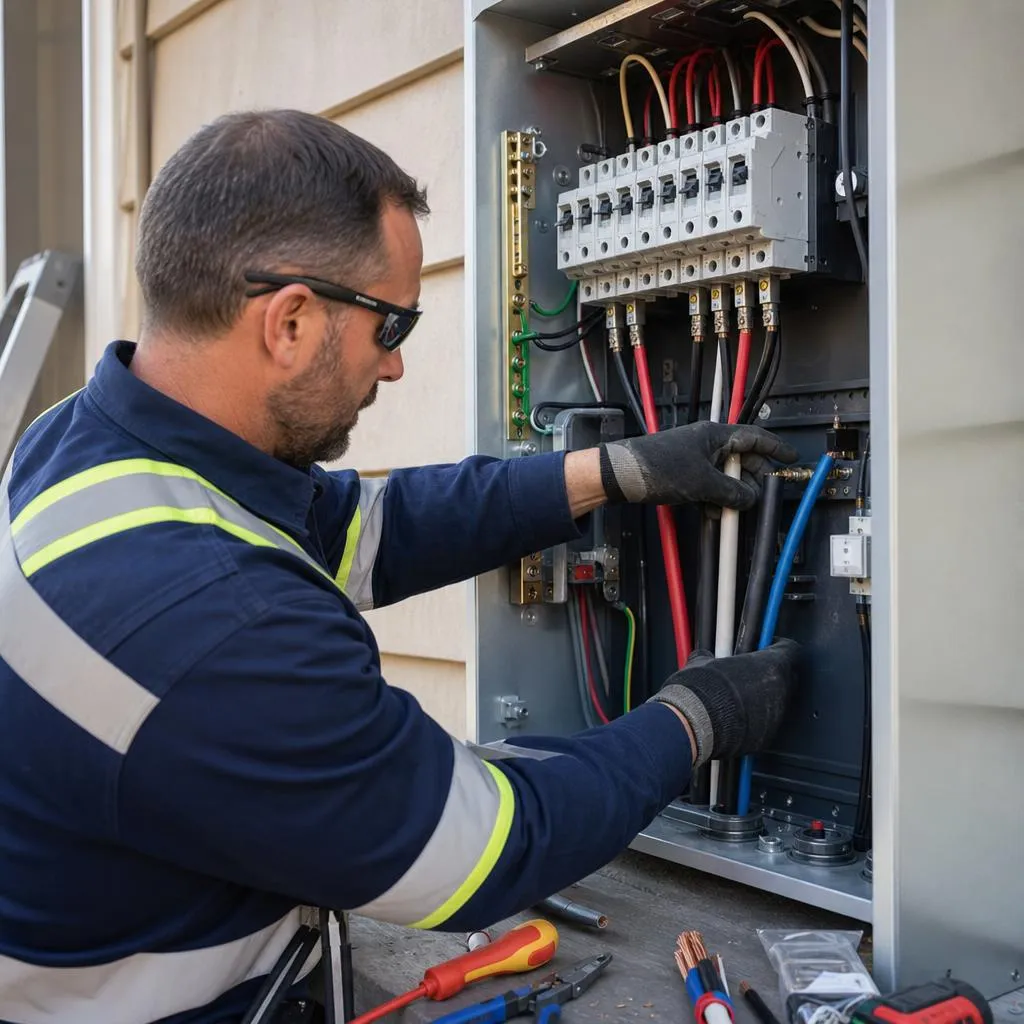
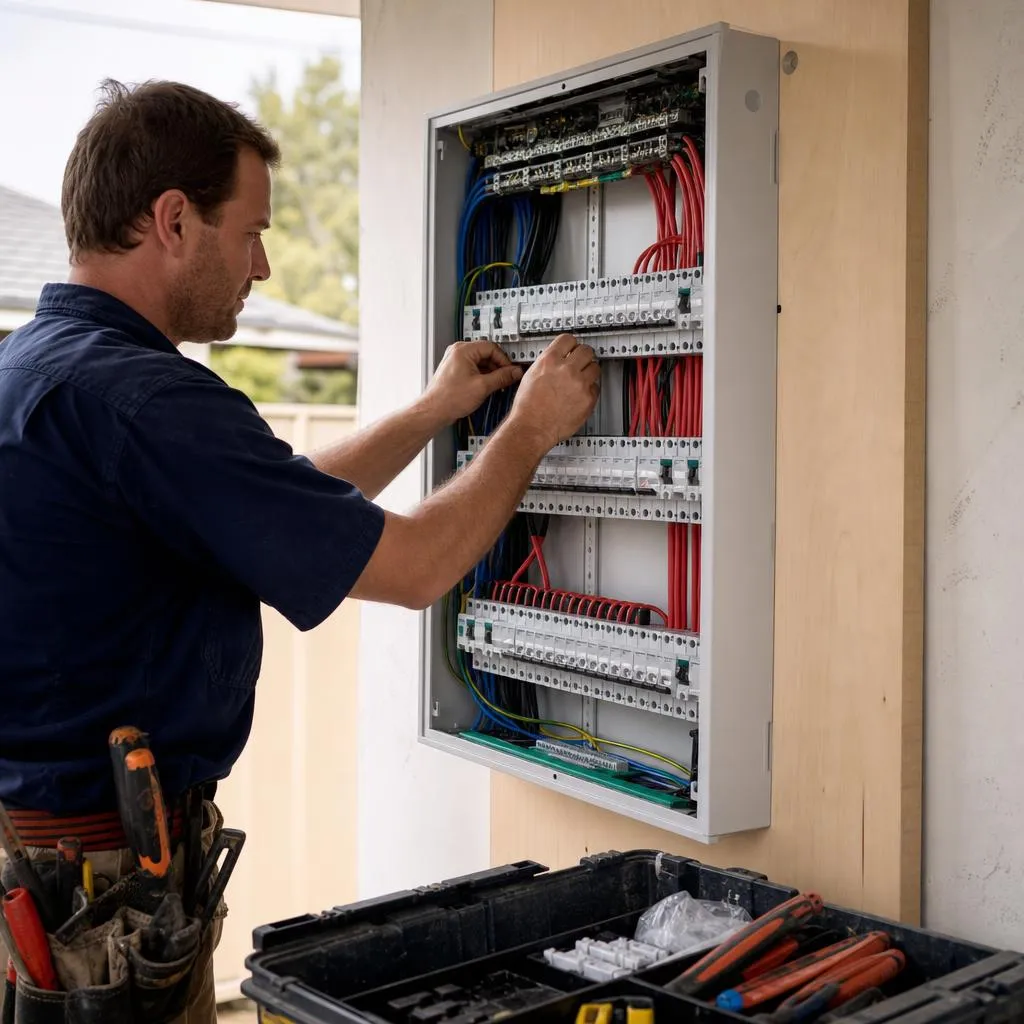
Level 2 ASP, Level 1 electrician, standard sparky — the titles get thrown around interchangeably, but they cover completely different scopes of work. Here's what a Level 2 ASP actually does.
Straight answers on switchboards, overhead & underground mains, smart & solar metering, and emergency electrical work from Sydney's Level 2 ASP specialists.

Level 2 ASP, Level 1 electrician, standard sparky — the titles get thrown around interchangeably, but they cover completely different scopes of work. Here's what a Level 2 ASP actually does.

Booked the wrong electrician for the job before? Here's a clear breakdown of where Level 1 work ends and Level 2 ASP work begins.

Switchboard upgrade pricing depends on more than just the panel itself. Here's what actually drives the cost, and how to get an accurate quote.
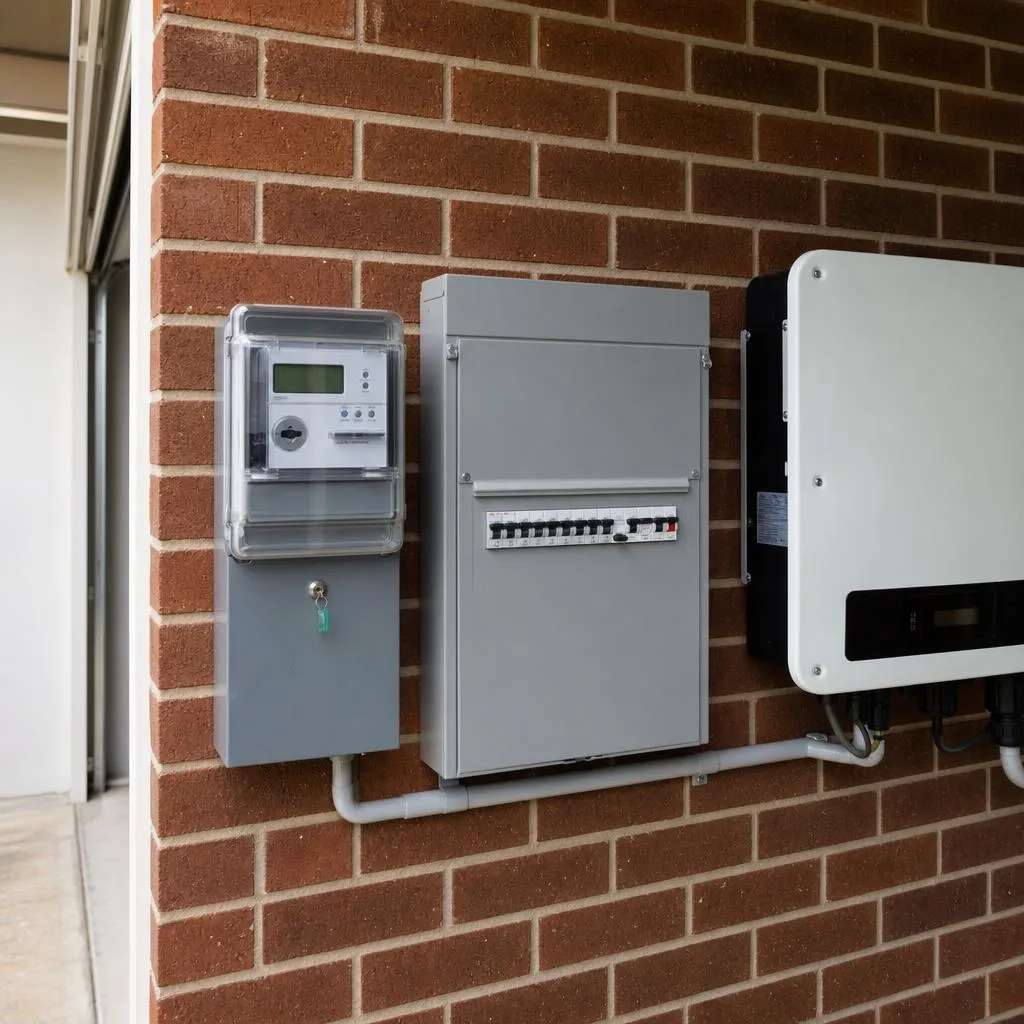
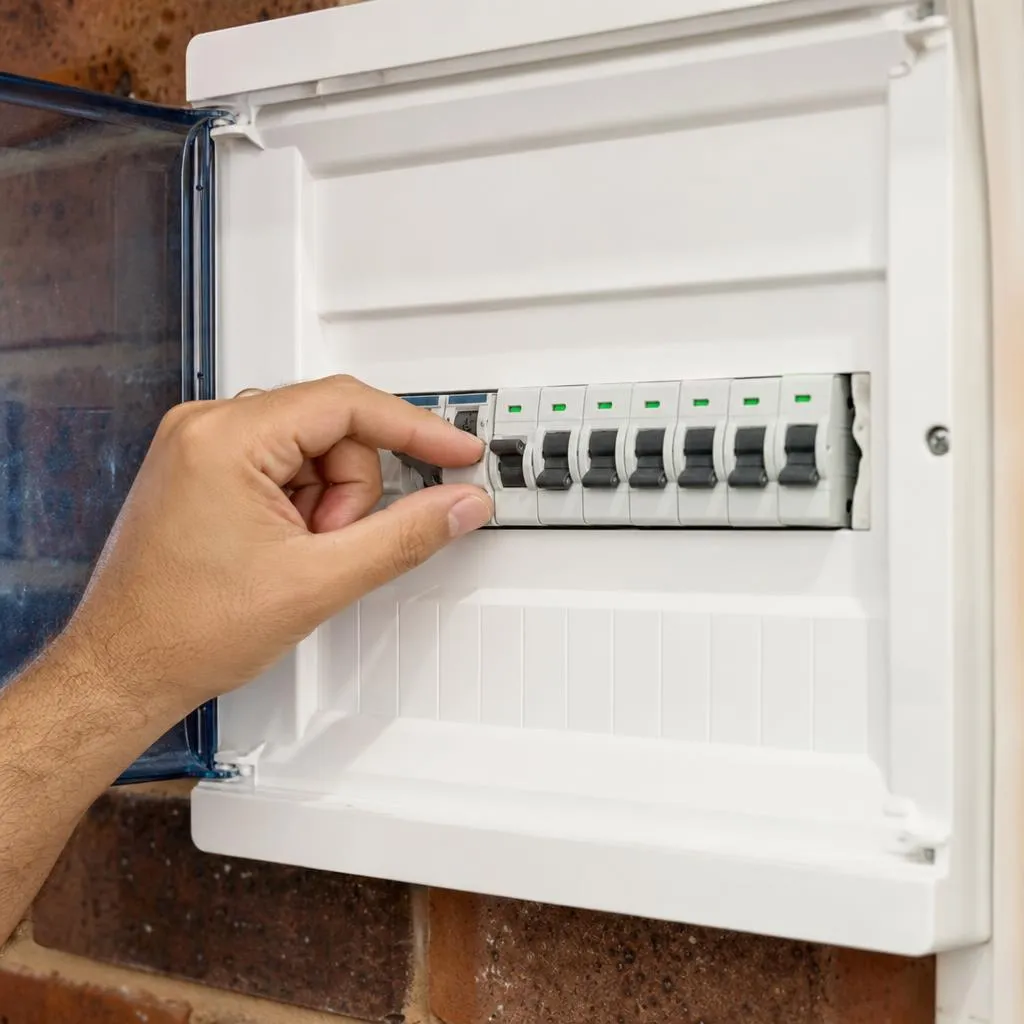
Flickering lights, tripping breakers, a fuse box with ceramic fuses instead of switches — these are all warning signs. Here's what to look for.
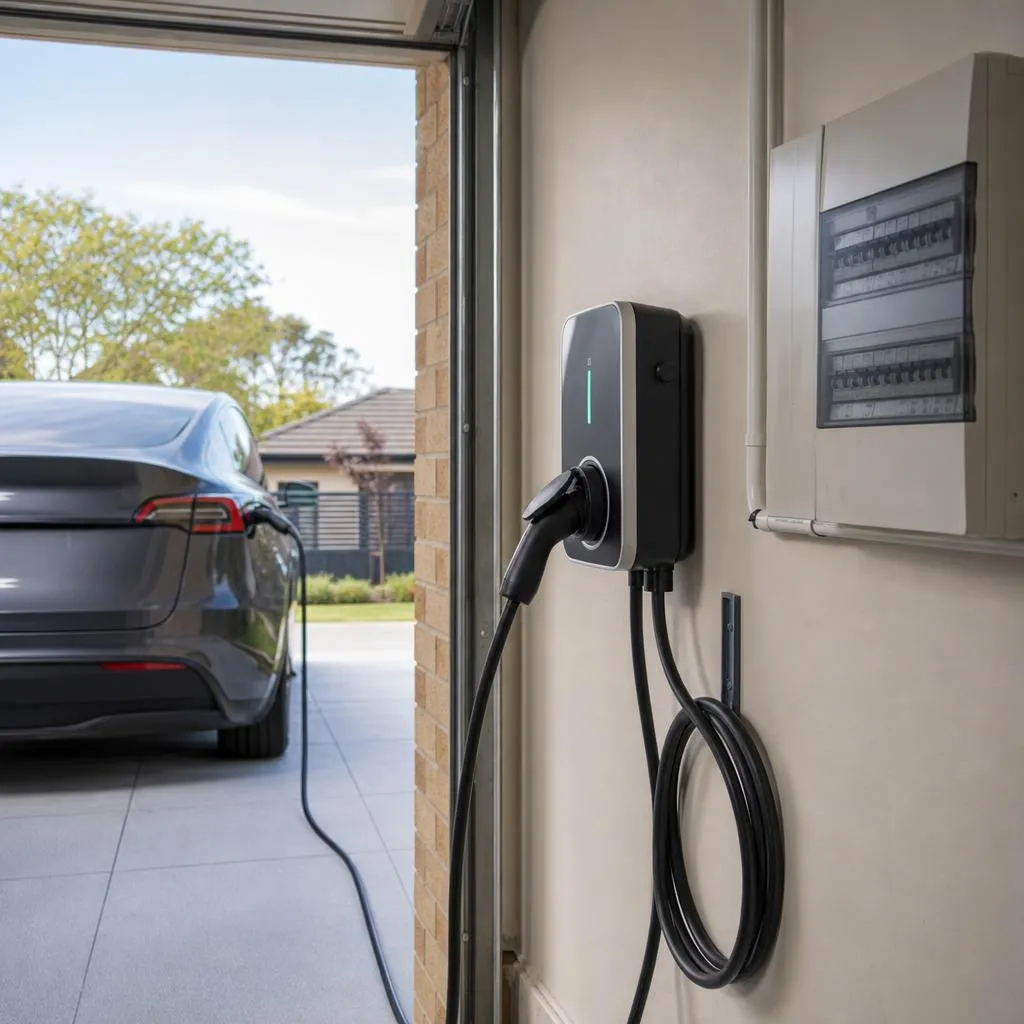
Ducted air con, EV chargers, and home workshops all push single-phase supplies to their limit. Here's how to tell if a three-phase upgrade is worth it.
Cost, aesthetics, storm resilience, and council requirements all factor into overhead versus underground. Here's how to weigh them up.

A defect notice on your property comes with a compliance deadline — here's exactly what it means and the steps to resolve it without stress.

Converting an existing overhead connection to underground is a common renovation request. Here's what the process actually involves.

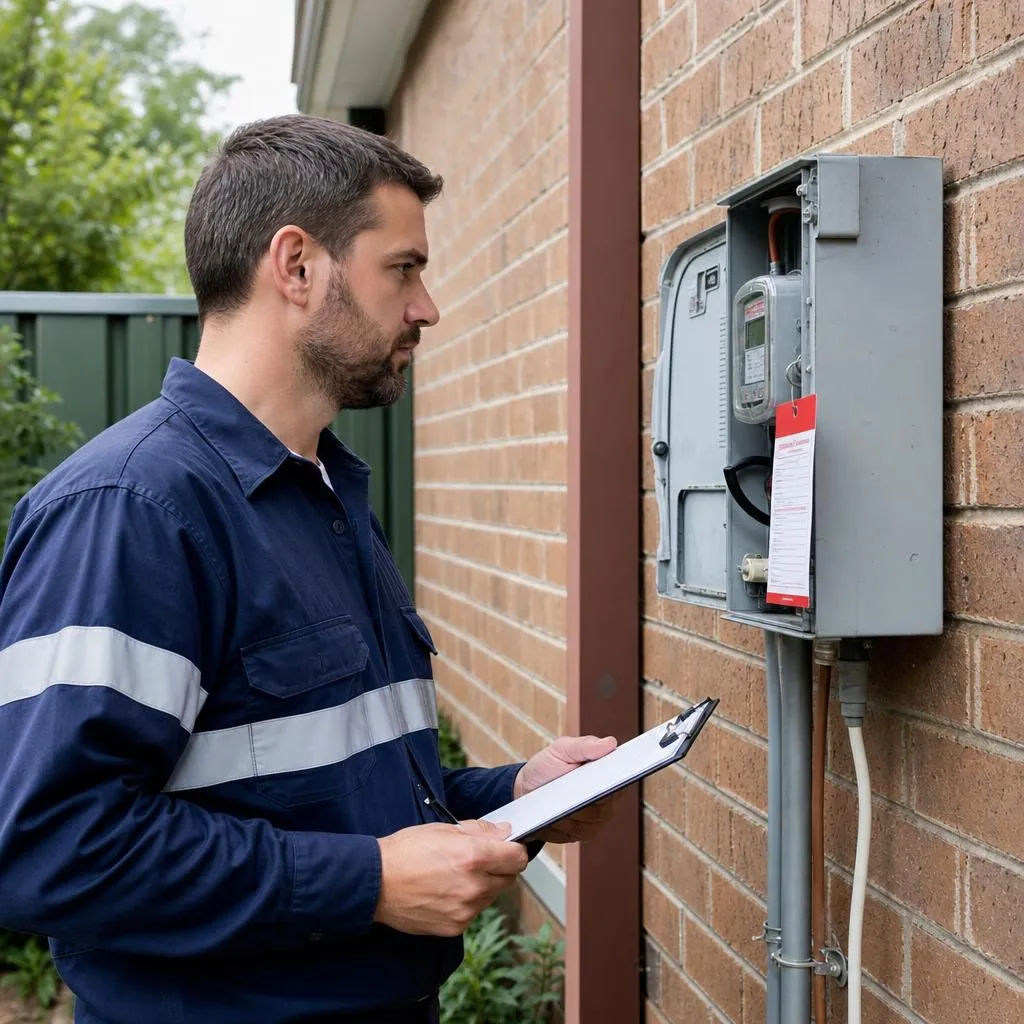
If your property has a private power pole, you're responsible for maintaining it. Here's what regular inspections involve and why they matter.

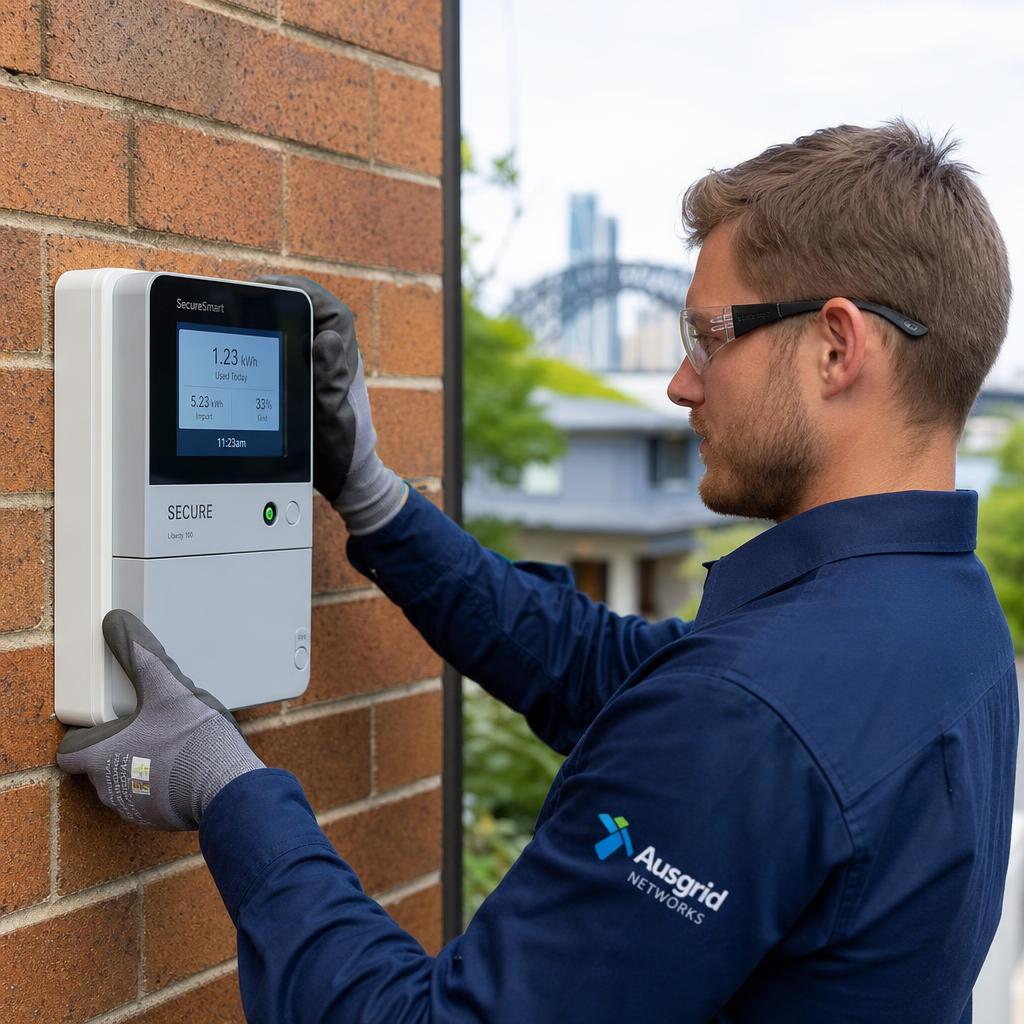
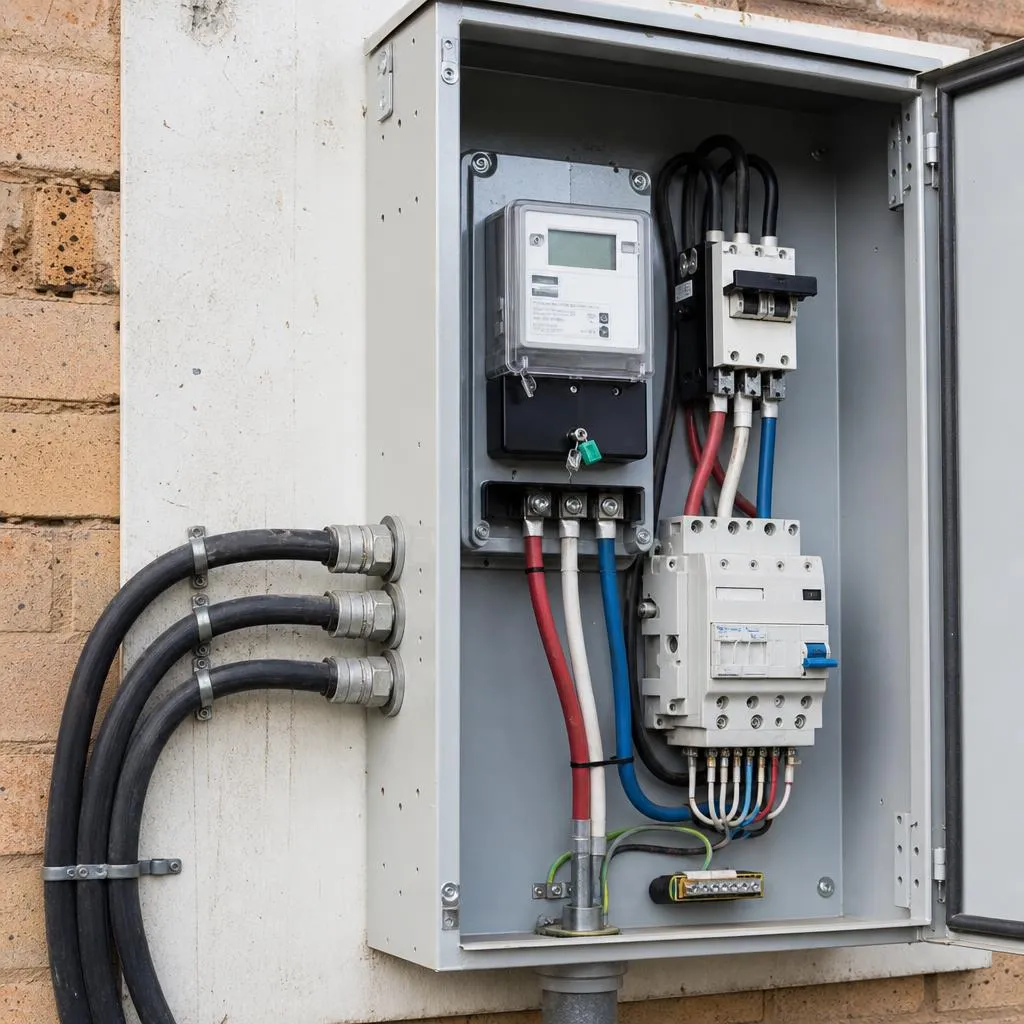
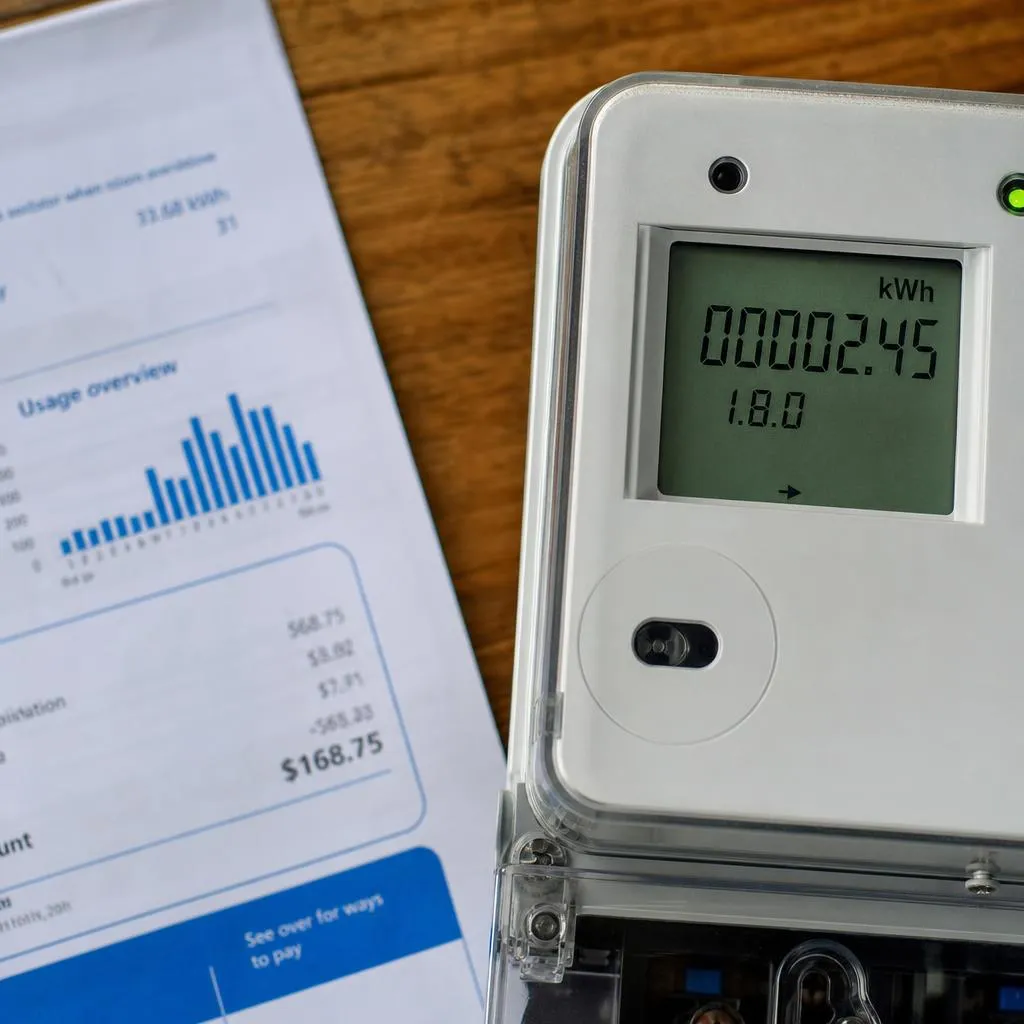
Type 4 smart meters have replaced quarterly manual reads across most of NSW. Here's what that actually means for your bill and your property.

Splitting one electricity bill between a house and granny flat rarely works out fairly. Separate metering fixes it — here's how the process works.

A bi-directional meter is non-negotiable for any grid-connected solar system in NSW. Here's what it measures and how the upgrade process works.

Your solar installer can't switch your system on until it's formally connected and approved by your network operator. Here's what that involves.

Moving from a standard 63A or 100A supply to 200A is one of the most common upgrades we do. Here's the process from application to switch-on.

A total power outage at night is stressful, but a few simple checks before we arrive can speed up the fix and keep everyone safe.

Response time is the whole point of calling an emergency service. Here's what a genuine 24/7 response actually looks like in Sydney.

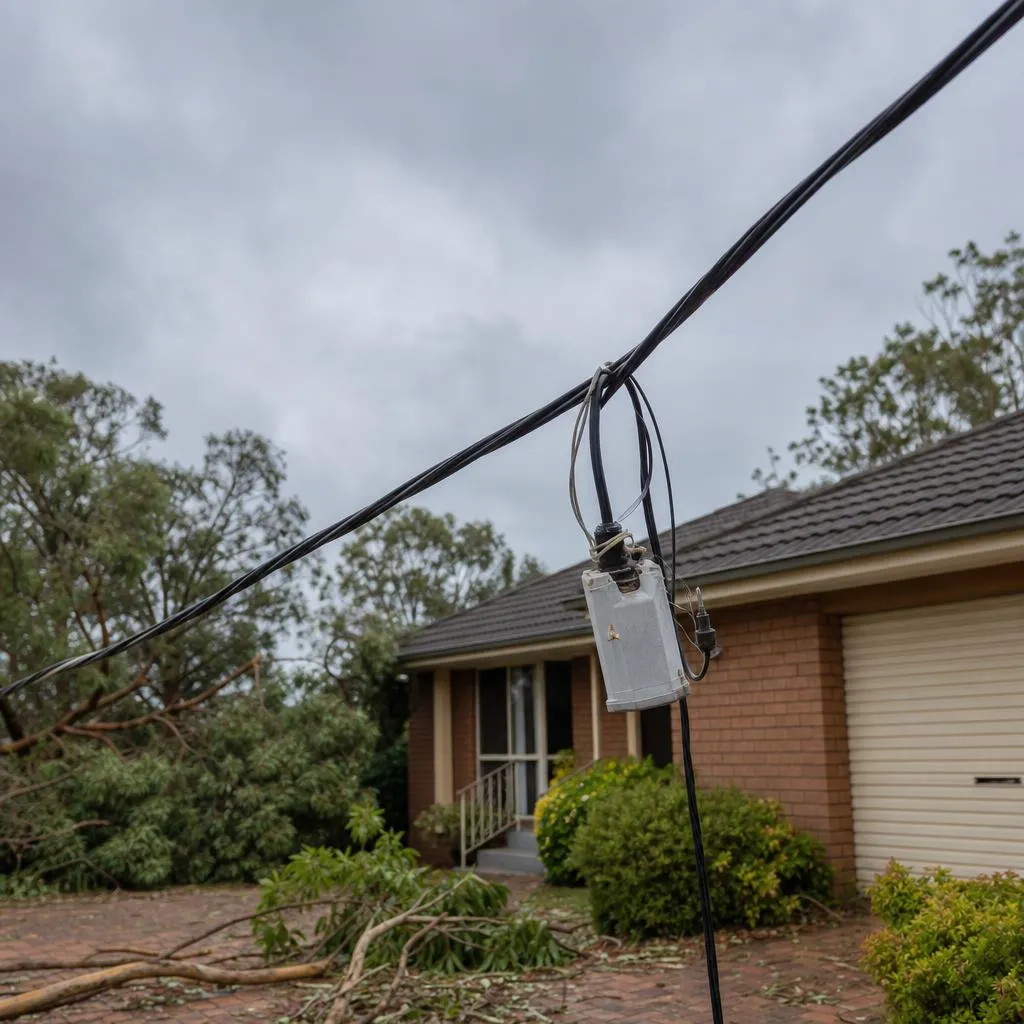
After a storm takes down a line, the first question is always whose responsibility it is to fix. The answer depends on exactly where the damage is.

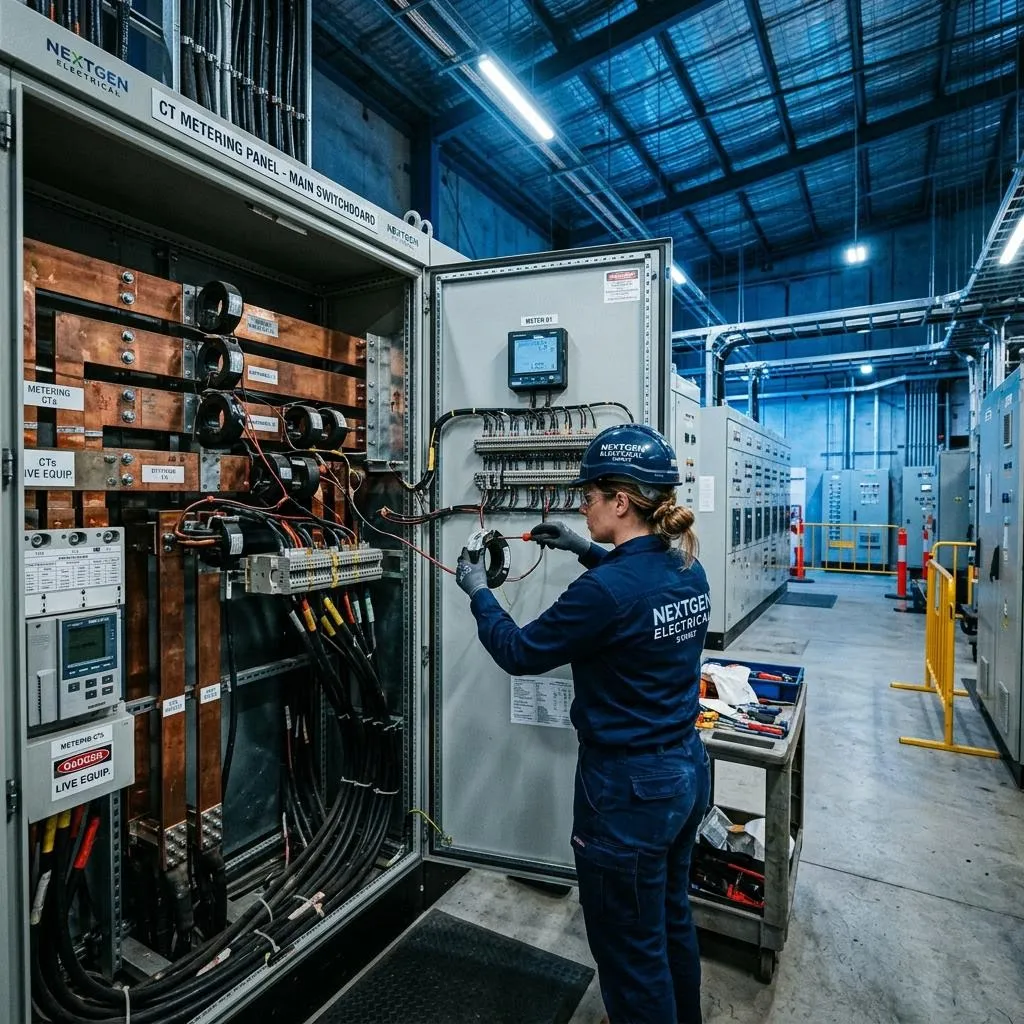
Standard direct-connect meters can't handle commercial-scale loads safely. Here's why CT metering is the standard for larger sites.

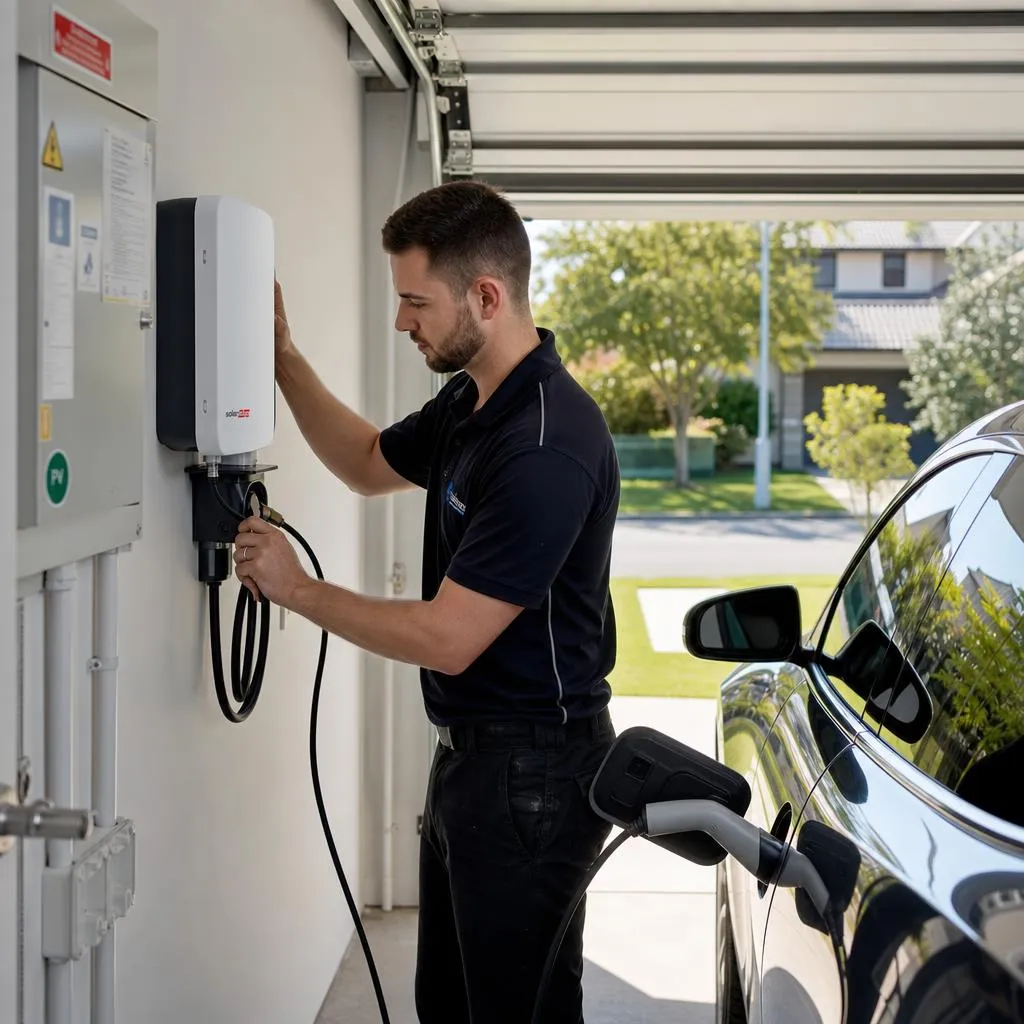
Most EV charger installs are Level 1 work — but a growing number need a Level 2 ASP first. Here's how to tell which applies to your property.

Not every Level 2 ASP is accredited across every network zone, and not every quote is genuinely fixed. Here's what to check before you commit.

Safety switches are the single most important protection in your home, yet plenty of older Sydney properties still run without one. Here's what NSW rules actually require.

A switch that keeps tripping is not being annoying — it's doing its job. Here's how to work out what's causing it and when it's time to call an electrician.

Heard your electrician mention 'going three phase' and wondered what it means? Here's a plain-English explanation of single vs three phase and when you'd need it.

Upgrading to three phase touches everything from the street to your switchboard. Here's the step-by-step process and where a Level 2 ASP fits in.

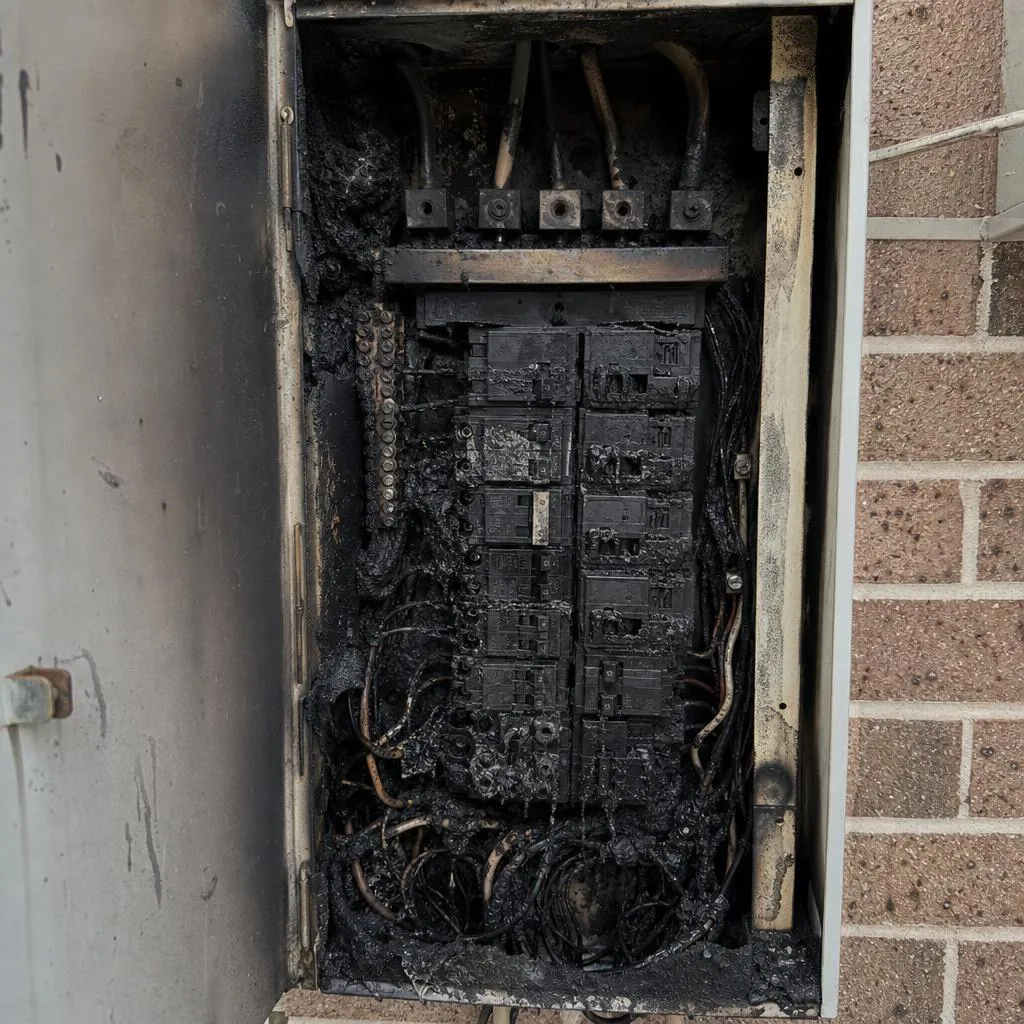
Switchboard fires are more common than most people realise, and they rarely happen without warning. Here's what causes them and the signs to watch for.

Planning a switchboard upgrade and wondering how long you'll be without power? Here's a realistic breakdown of timing and what affects it.

Occasional flicker can be harmless, but persistent or whole-house flickering can point to a serious fault. Here's how to tell the difference.

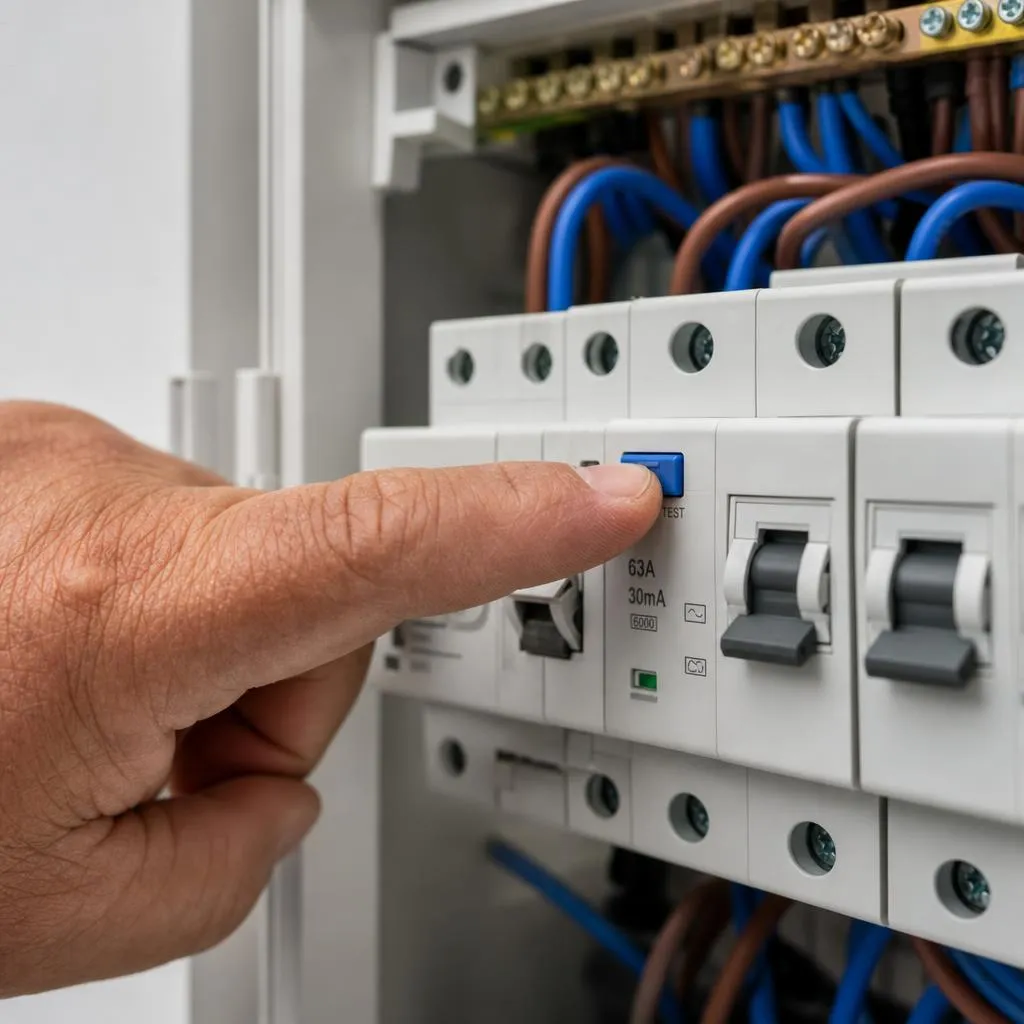
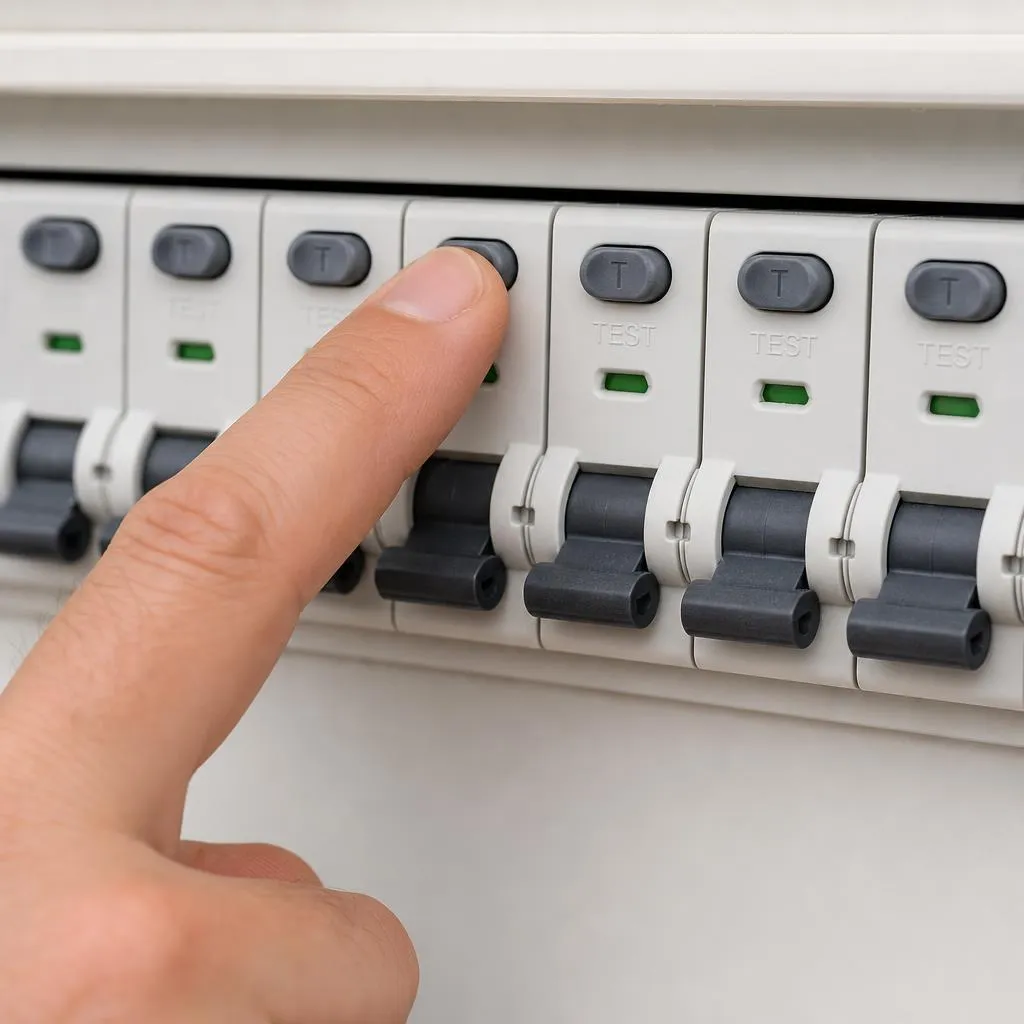
A safety switch only protects you if it actually works — and they can fail silently. Here's how often to test yours and how to do it.

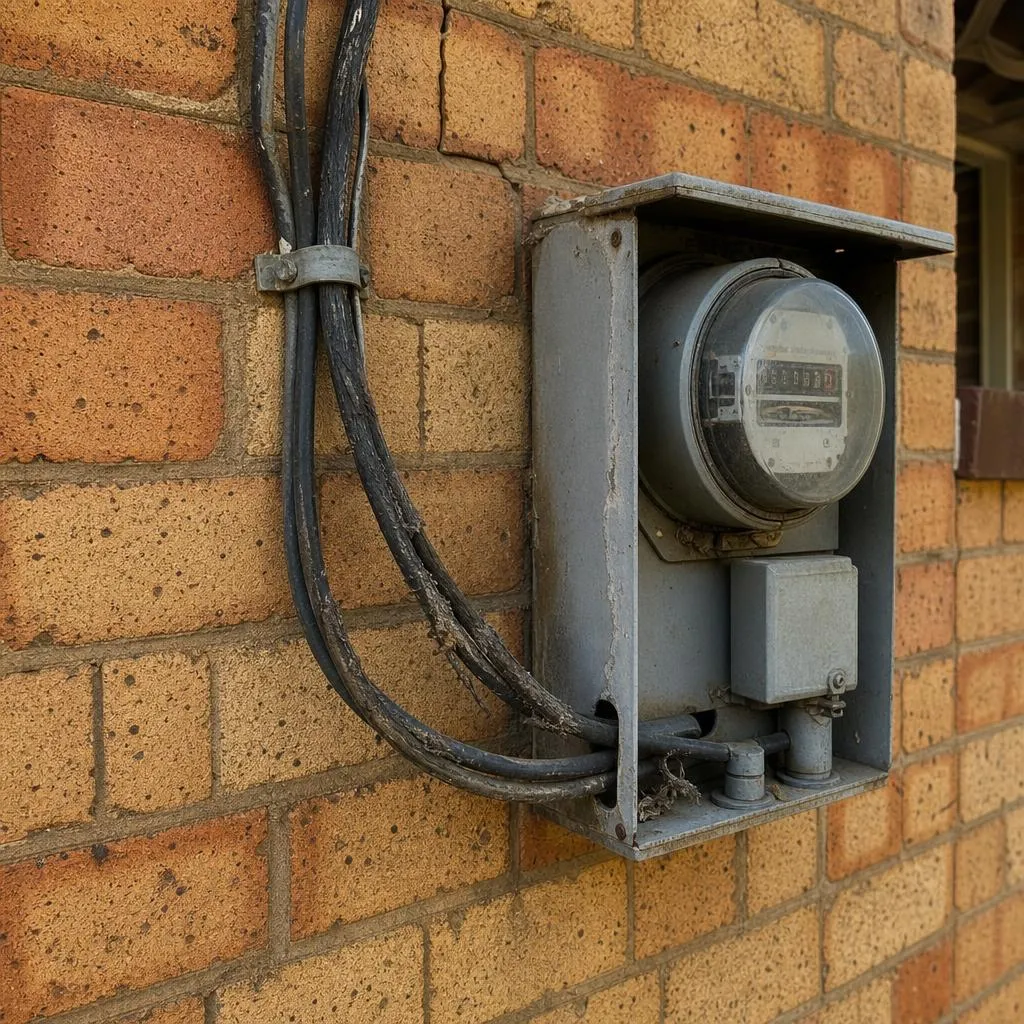
Flickering lights, warm switchboards and tripping breakers can all point back to one culprit: tired consumer mains. Here's how to spot the warning signs before they become a fire risk.

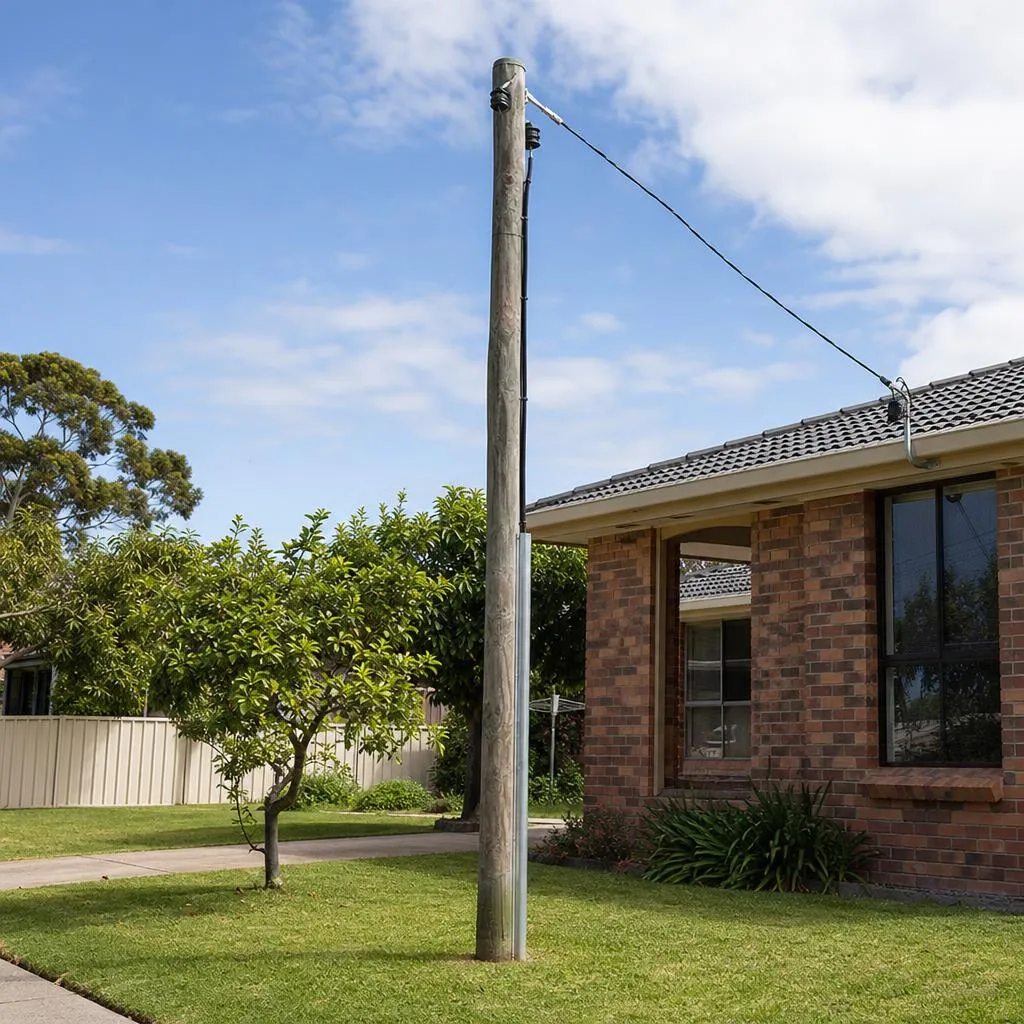
If your home has a power pole on your land rather than on the street, it's probably yours to maintain. Here's what a private power pole is and why it matters.

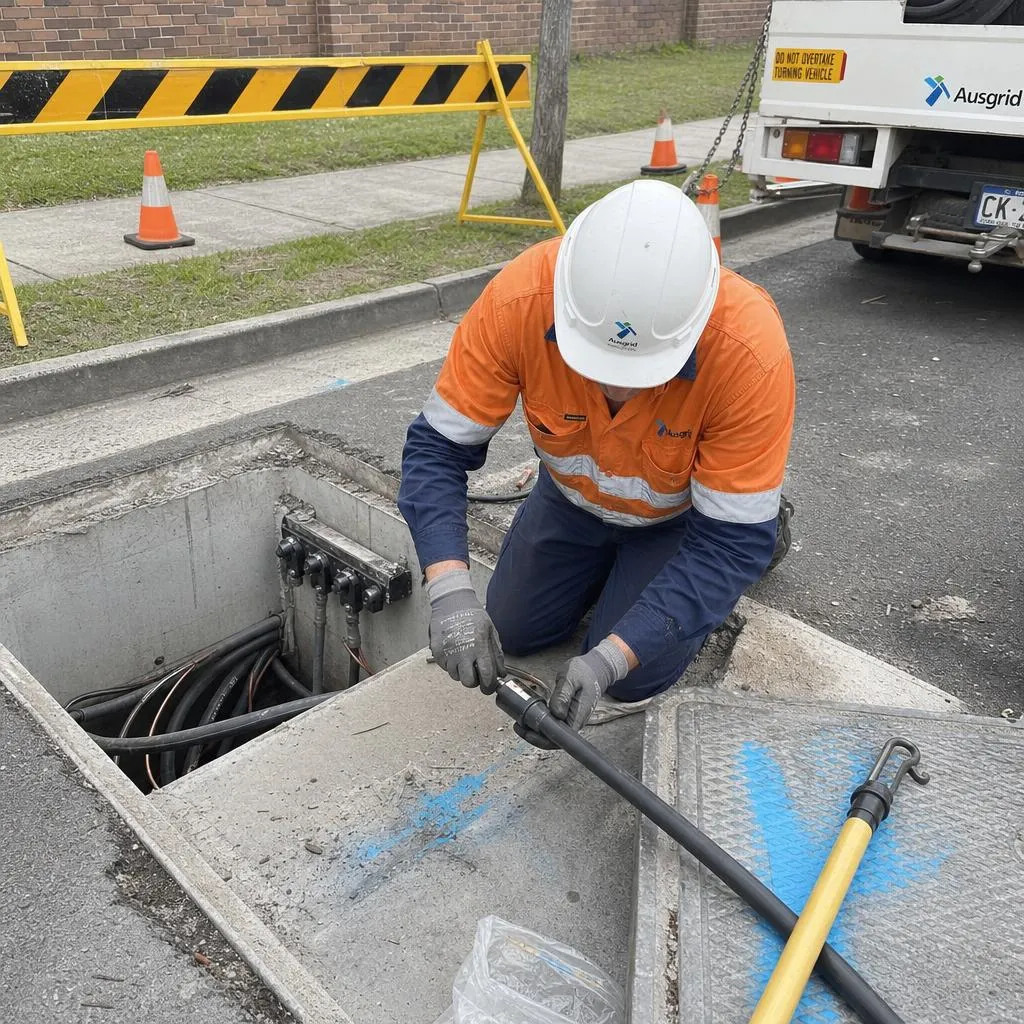
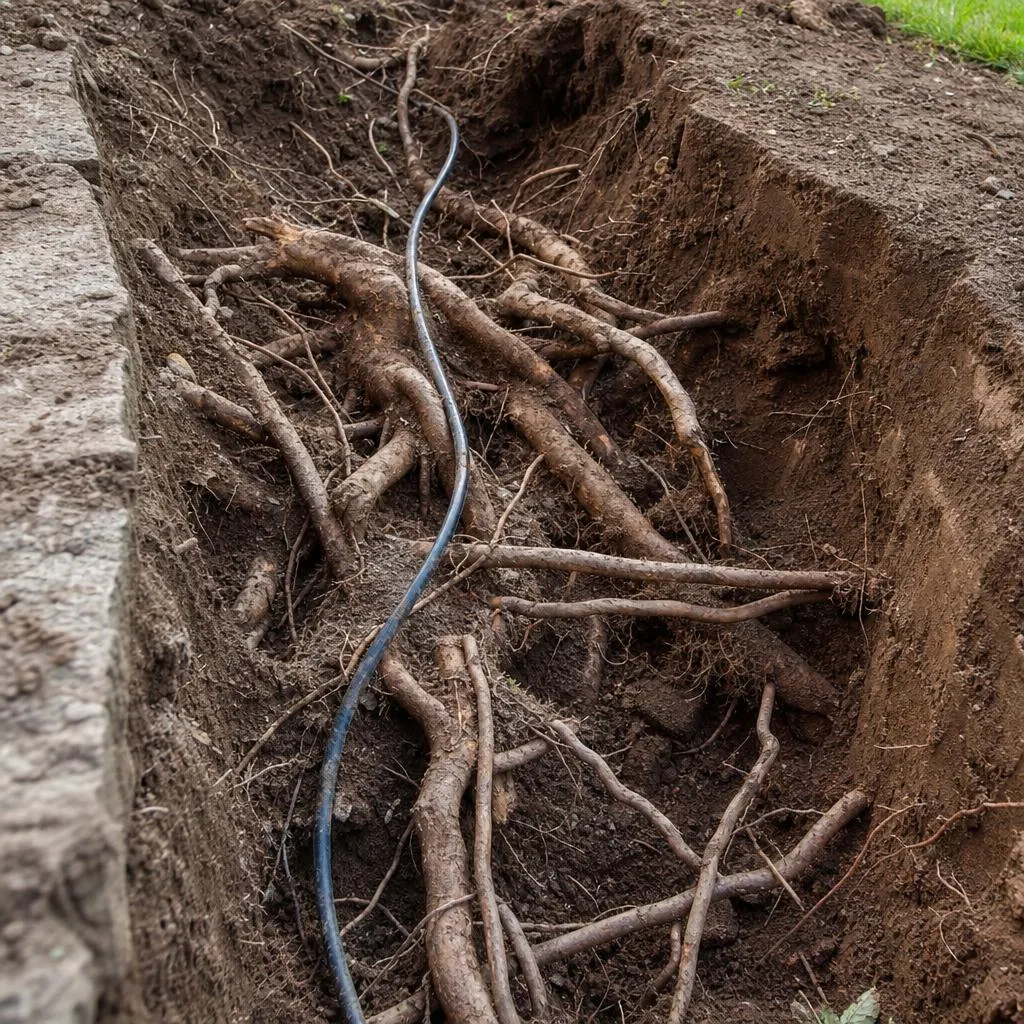
Underground mains are safe from storms and falling branches — but not from what's happening below the surface. Here's how tree roots and ground movement can damage buried cables.

Owning a power pole comes with real maintenance duties — inspections, vegetation clearance and keeping it structurally sound. Here's what falls on you as the owner.

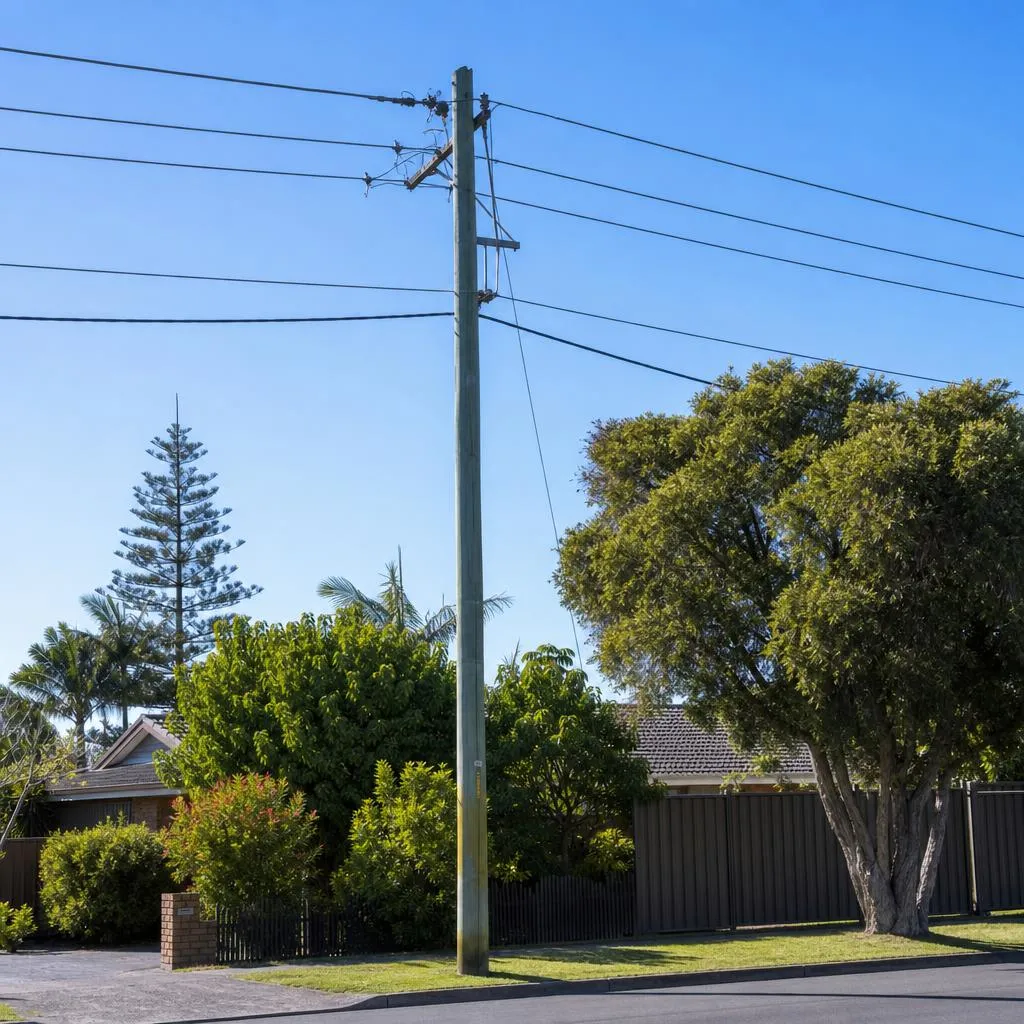
Is that pole on your block the network's problem or yours? The answer usually comes down to where it sits and what it feeds. Here's how to tell.

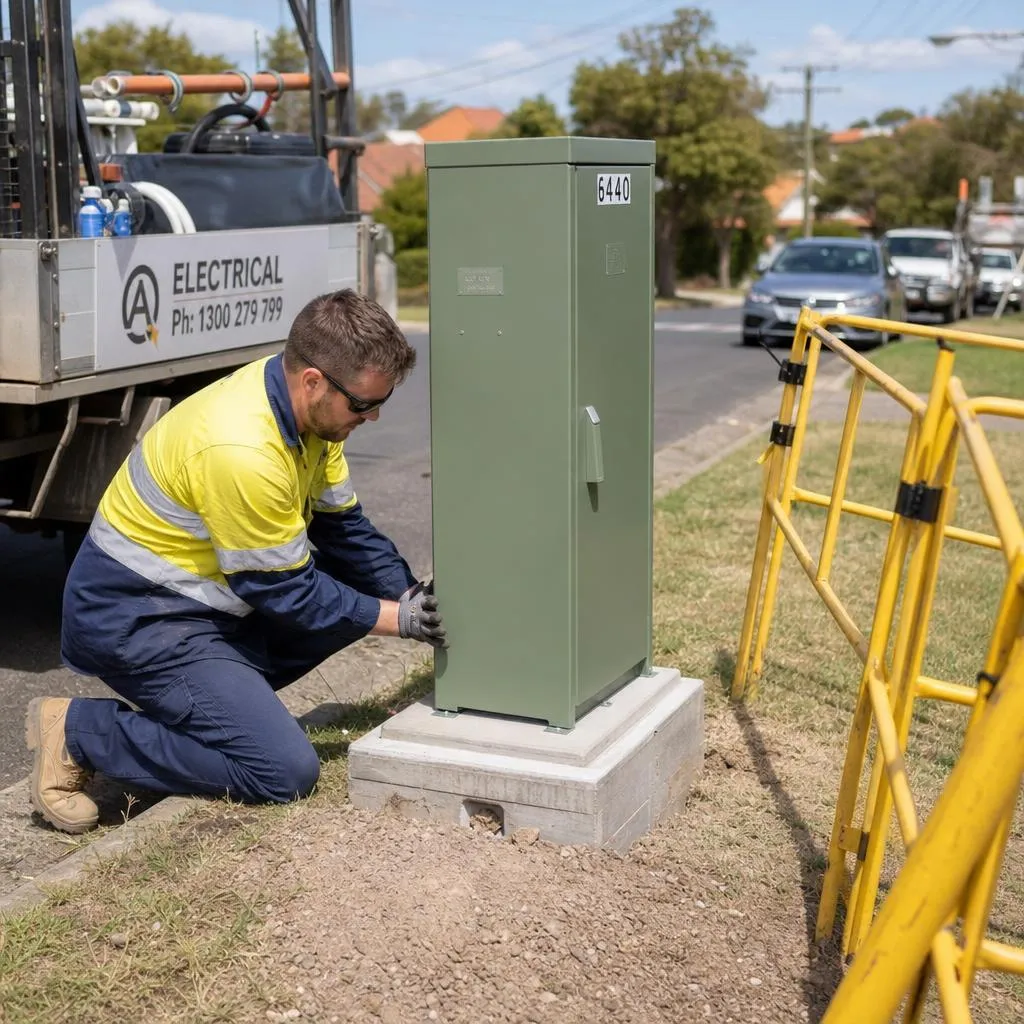
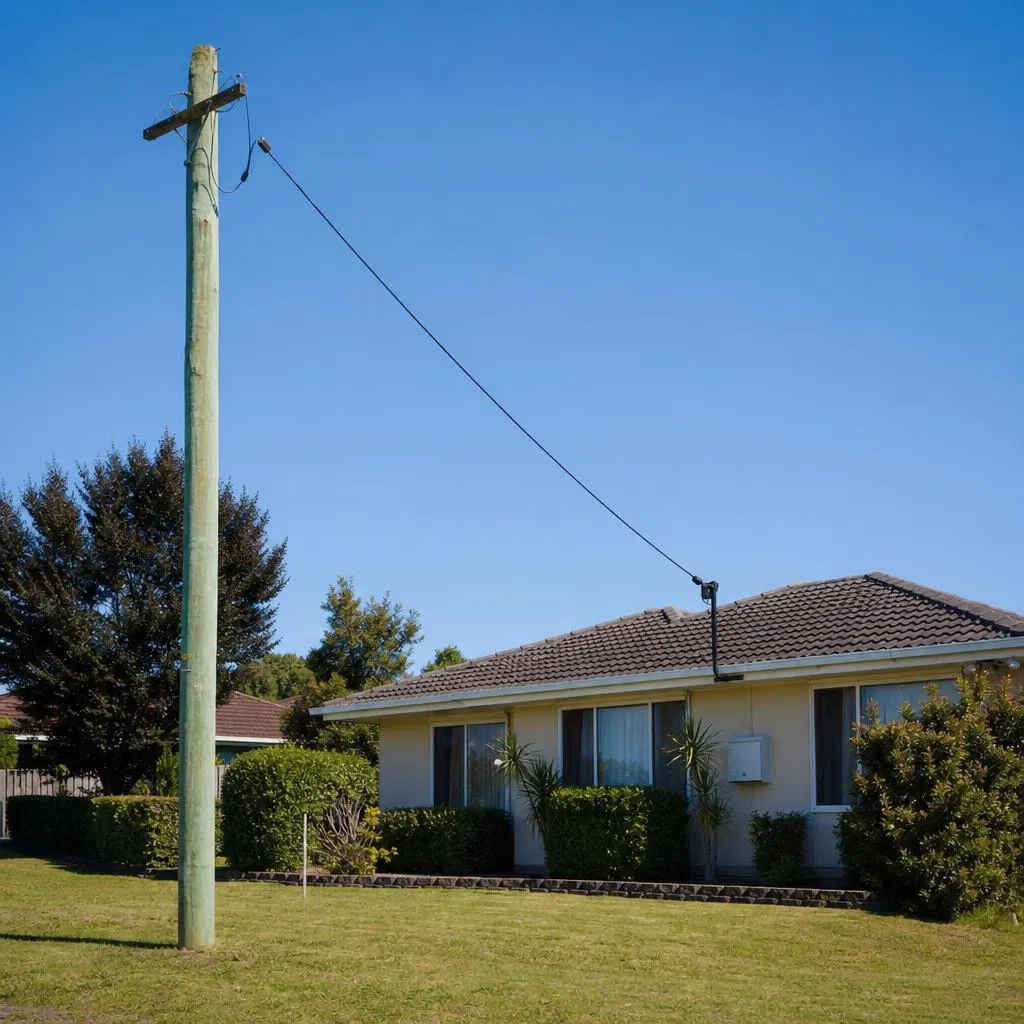
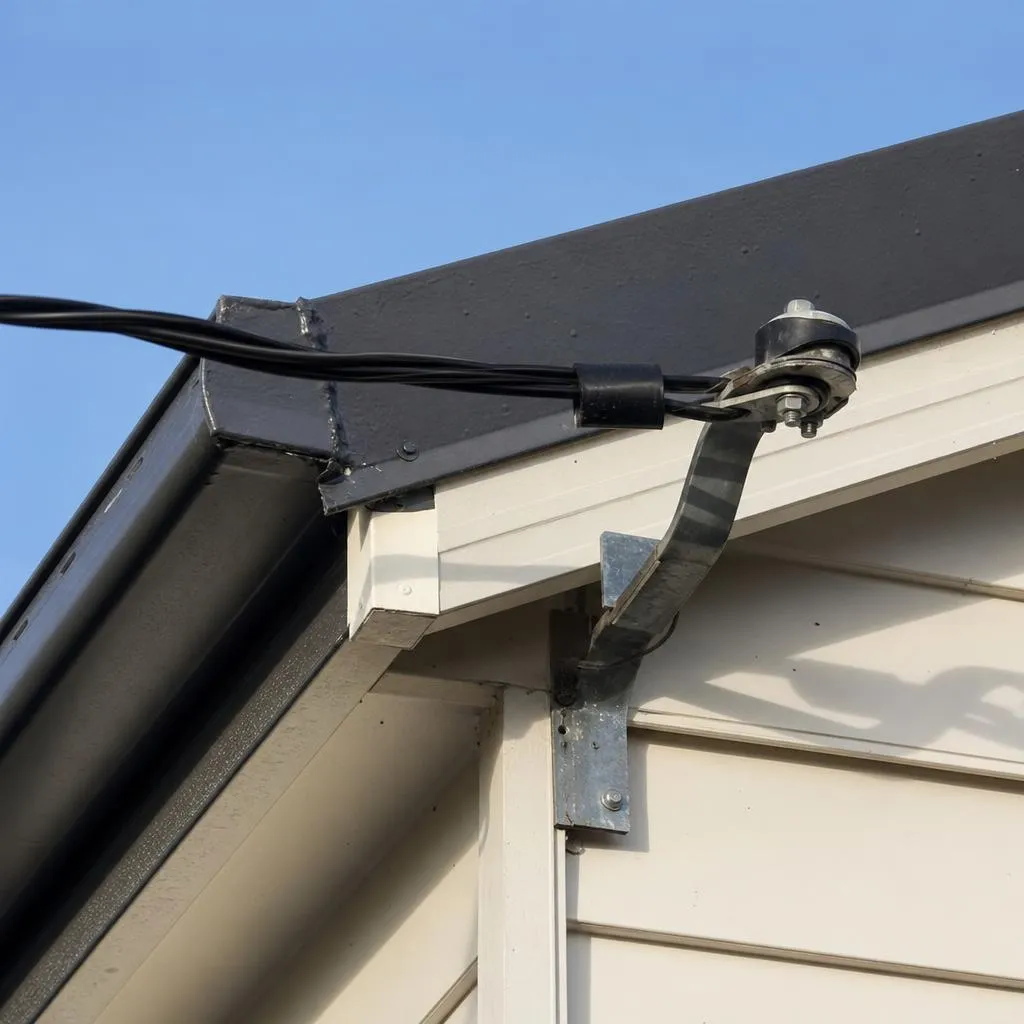
The point of attachment is the exact spot where the network's supply meets your home. It's small, it's easy to overlook, and it's pure Level 2 ASP territory.

A defect notice from your network provider isn't a fine — but it is a deadline. Here's what it means, why you got one, and how to fix it before disconnection.

After a Sydney storm, downed lines and damaged connections are a serious hazard. Use this checklist to stay safe and know exactly when to call for emergency help.

A jump in your Sydney power bill isn't always about usage. Tariff changes, meter type, and network charges all play a part — here's how to read what's really going on.

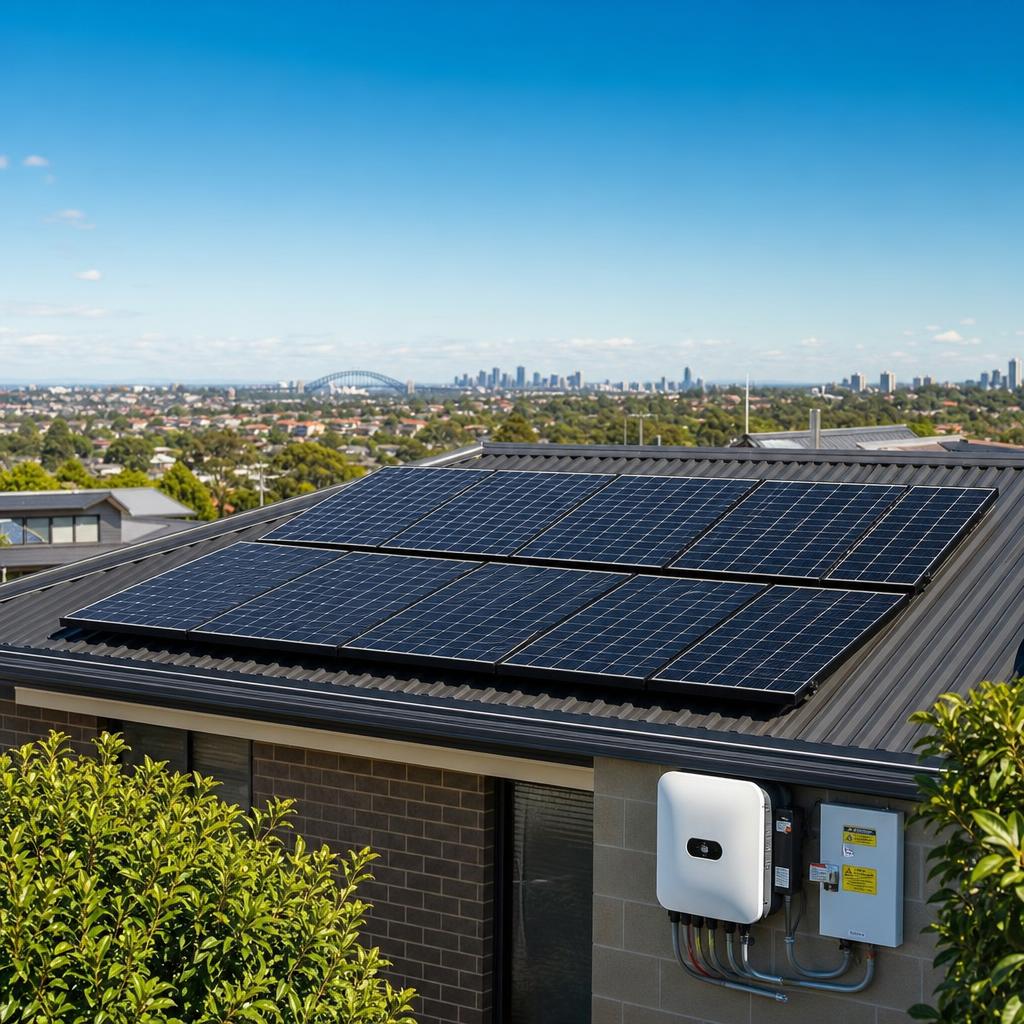
Installing solar in Sydney means more than panels on the roof — the right meter decides whether you actually get paid for what you export. Here's how solar metering works.

A home EV charger is one of the biggest single loads you can add to a house. Here's what it means for your switchboard, your supply, and whether you'll need an upgrade.

You don't need to be an electrician to keep your Sydney home safe — but you do need to know the warning signs and where the DIY line stops. This is your practical guide.

For Sydney businesses, electrical safety isn't just good practice — it's a legal obligation with real consequences. Here's what owners and managers need to know.

Most house fires and electric shocks trace back to a handful of common, preventable hazards. Here are the ones every Sydney homeowner should know about.

Booked an electrical inspection and not sure what to expect? Here's a step-by-step look at what a Sydney electrician checks and why it matters.

Level 2 electrical work covers everything from a quick service fuse replacement to a full private pole install, so prices vary enormously. Here's what actually drives the cost of Level 2 work in Sydney.

A private power pole doesn't always need replacing — sometimes a repair will do. Here's what drives the cost, when timber beats steel, and what should be included in your quote.

Upgrading tired consumer mains is one of the most common Level 2 jobs in older Sydney homes. Here's what drives the cost, how overhead and underground differ, and when the work is needed.

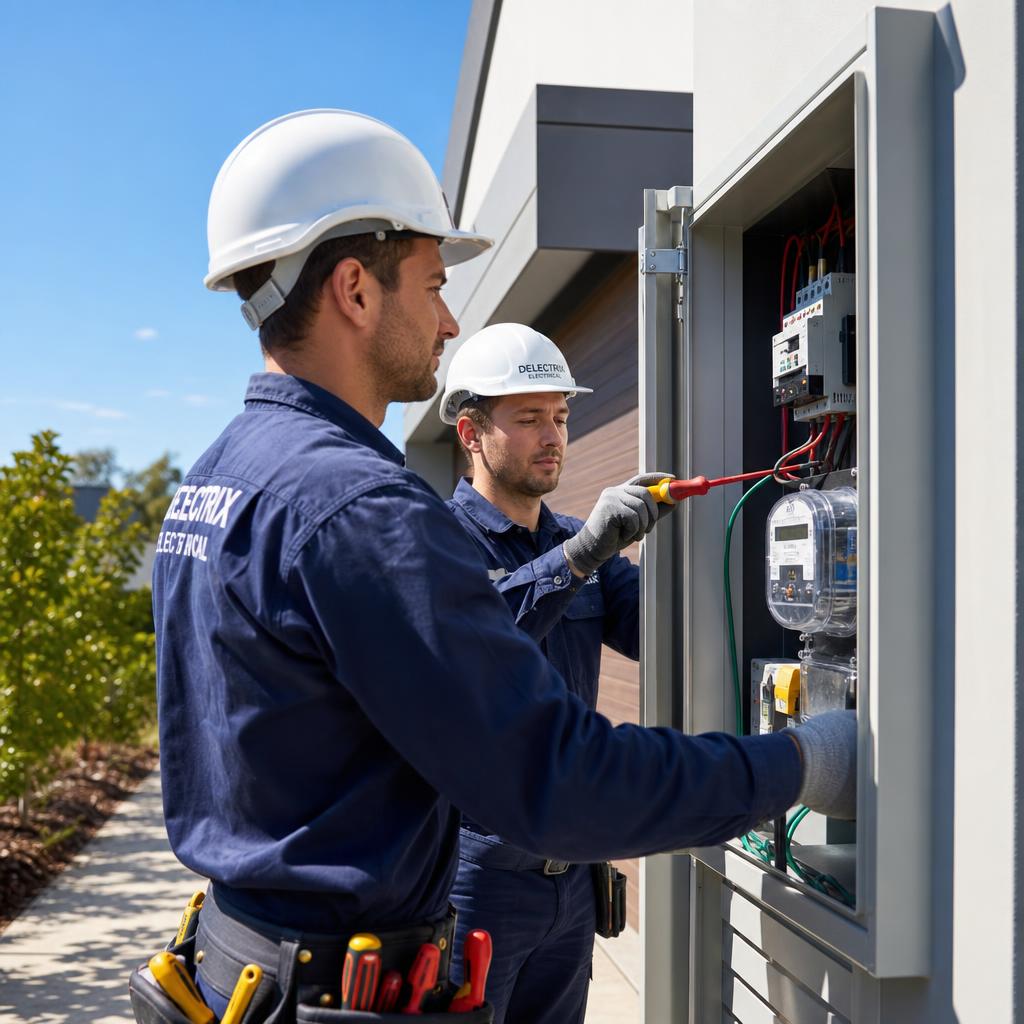
Smart meter rollouts, solar installs and supply upgrades all trigger a meter change — but who pays, and what does it cost? Here's how meter upgrades work in Sydney.

An Ausgrid defect notice can feel alarming, but it's a routine part of keeping the network safe. Here's how the categories work, how urgent yours is, and how to get it cleared.

Overhead service lines are quick and cheap; underground lines are neat and weatherproof. Here's a straight comparison of cost, durability and when each is used or required in Sydney.

Not every electrician who says they do Level 2 work is properly accredited. Here's how to check credentials, what questions to ask, and the red flags that should send you elsewhere.

Some jobs a standard sparky can handle; others legally require a Level 2 ASP. Here are the exact scenarios where you need an accredited Level 2 electrician in Sydney.

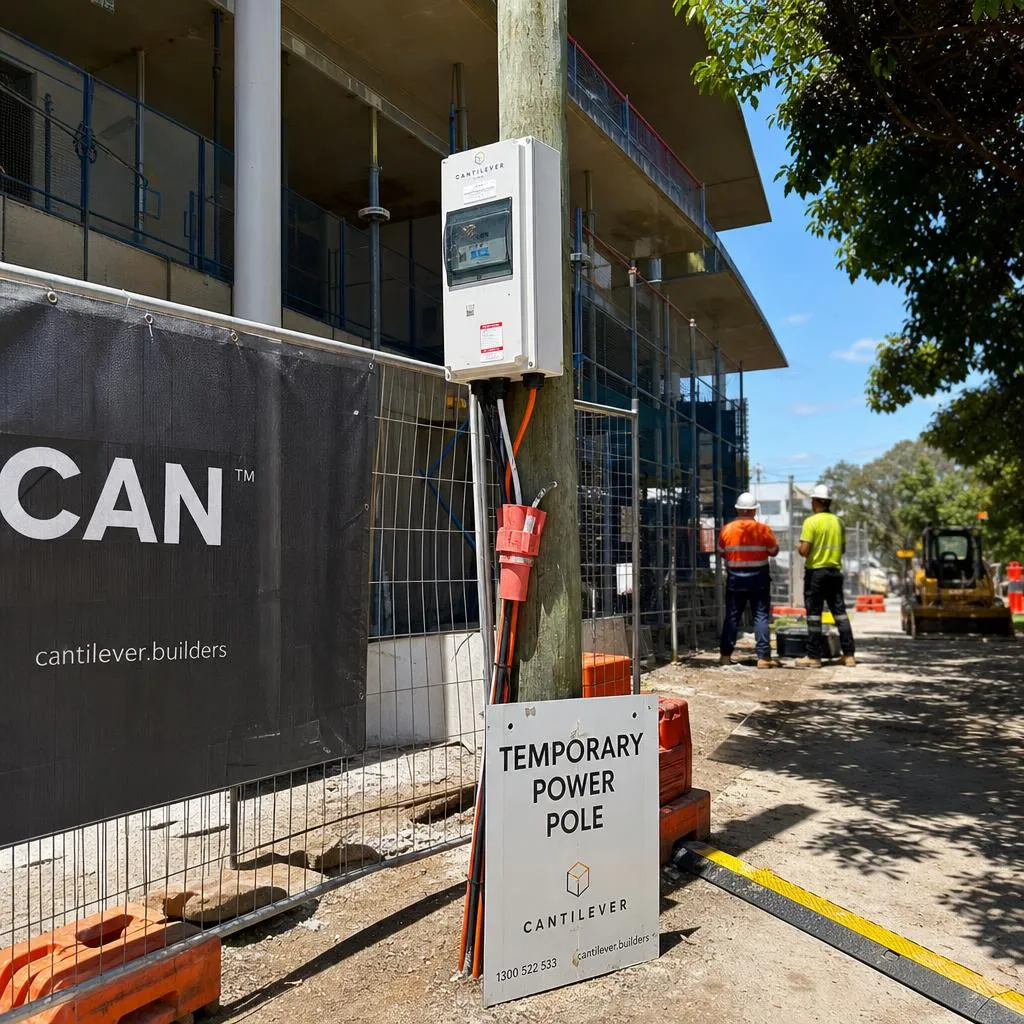
Every building site needs safe, compliant power before the permanent connection goes in. Here's what a temporary builders supply is, when you need one, and how the process works in Sydney.

A downed service line or burnt point of attachment is a genuine emergency. Here's what counts, what to do first, how response works, and how to stay safe until help arrives.

The Service and Installation Rules of NSW decide who owns, maintains and pays for every part of your power connection. Here's the homeowner's plain-English version.

How high must a service line be over a driveway, a roof or a backyard? Here are the minimum clearances from the NSW Service and Installation Rules.

Building, renovating or moving a meter box? The NSW rules are strict about where metering can live and who must be able to reach it.

The network trims trees near street mains — but the wire from the street to your house is a different story. NSW rules put that clearance on the property owner.

How deep does the trench need to be? What conduit? Who digs it? The NSW Service and Installation Rules answer all of it — here's the homeowner version.

Before a knock-down, second storey or big reno, the NSW rules say the service line has to be dealt with first — and only a Level 2 ASP can touch it.

Controlled load is the cheapest electricity most homes can buy — but the NSW rules set specific wiring requirements. Here's how off-peak actually works.

An old switchboard rarely fails politely. Here's what you're actually risking by leaving ceramic fuses, missing safety switches and asbestos panels in place.

Vulcanised Indian Rubber (VIR) wiring was standard for decades — and its insulation has been slowly perishing ever since. Here's why it matters and what to do.

Consumer mains sized for a 1970s household are quietly running today's air con, cooktops and EV chargers. Here's what undersized mains actually do — and risk.

Outlet covers help, but the protection that actually saves a child's life sits in your switchboard. A practical guide for parents in older Sydney homes.

A private power pole doesn't fail gradually and politely — it fails in a storm, with live wires attached. Here's what you're risking by leaving a defective pole standing.

In NSW, almost all electrical work legally requires a licensed electrician — yet DIY 'fixes' are everywhere. Here are the most damaging mistakes and why they're not worth it.

The electrical budget-killers in a renovation are almost never the light fittings — they're the supply, the switchboard and the paperwork nobody scoped. Avoid these seven mistakes.

Buying the charger is the easy part. These are the installation mistakes that turn a straightforward EV setup into an expensive rework — and how to avoid every one.

The building report checks the roof and the termites — but the electrical system that costs thousands to bring up to scratch often gets one line. Here's what buyers miss.

Panels get all the attention, but solar projects stall on the electrical side — old switchboards, metering, and export paperwork. Avoid the mistakes that delay switch-on.
Every guide on this page is backed by a Level 2 ASP team ready to do the job. Free assessment, 24/7 emergency response.