Switchboards
The Real Risks of Putting Off a Switchboard Upgrade
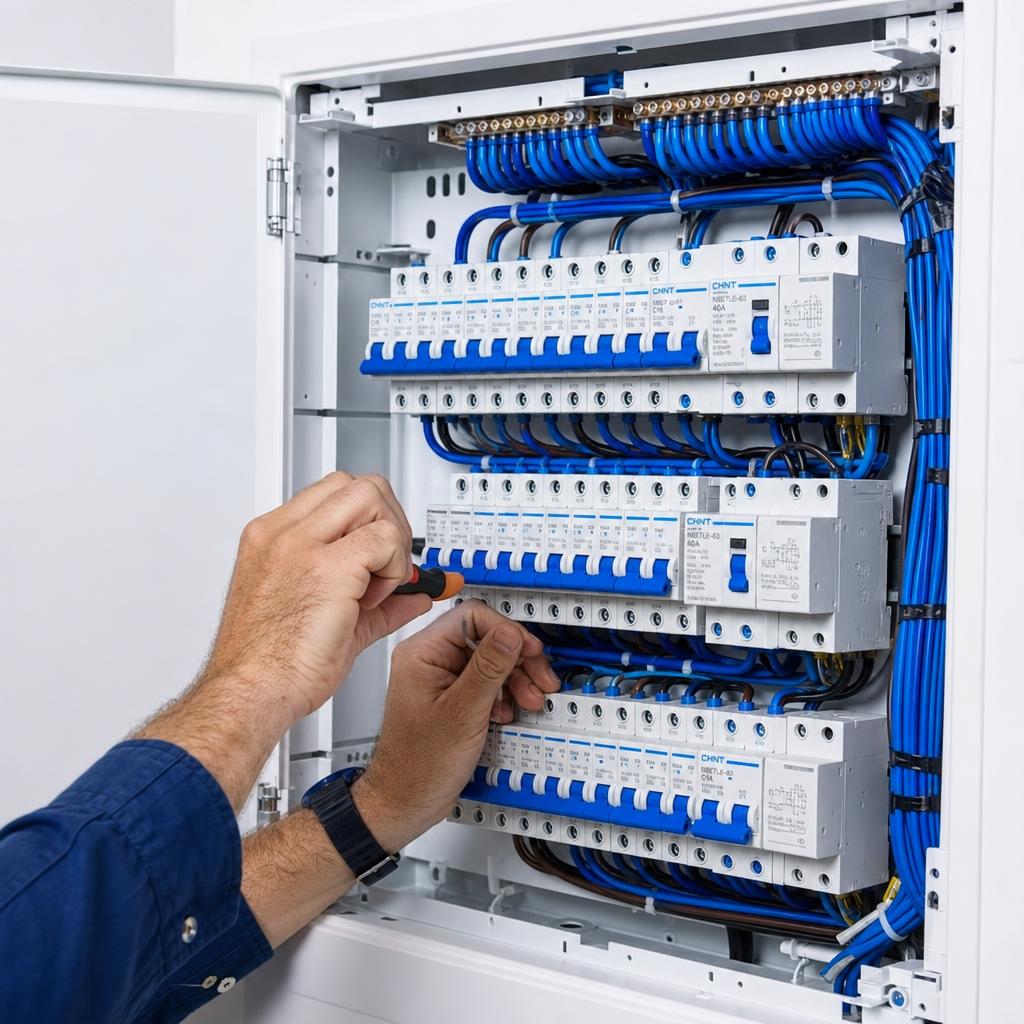
Most homeowners know their old switchboard "should probably be upgraded at some point" — and then leave it for years, because the lights still turn on. The problem is that an ageing board doesn't give you much warning before it becomes dangerous. Here's an honest look at what you're actually risking by waiting.
No Safety Switches Means No Second Chance
The single biggest risk on an old board is what's *missing*: safety switches (RCDs). A safety switch detects electricity leaking to earth — through a damaged cable, a faulty appliance, or a person — and cuts the power in a fraction of a second. Old boards with only ceramic fuses or basic circuit breakers offer none of that protection.
A fuse or breaker protects the *wiring* from overload. It does not protect a *person* from electric shock — a fatal shock can pass through someone without ever blowing a fuse. If your board has no safety switches, every circuit in the house is running without the one device designed to save a life. Our safety switch guide covers this in detail.
Heat, Overloading and Fire Risk
Old boards were designed for the loads of their era — a fridge, some lights, maybe a TV. Add air conditioning, an induction cooktop, a dryer and an EV charger, and circuits that were adequate in 1975 now run near their limits for hours at a time. Sustained load means sustained heat at every connection, and heat is what degrades terminals, melts insulation and starts fires.
The warning signs — a warm board, discoloured or cracked fuse holders, a fishy or burning smell, breakers that trip in hot weather — are covered in our guide on why switchboards catch fire. By the time you can *see* heat damage, the connections behind the panel are usually worse.
Asbestos Panels and Rewireable Fuses
Many Sydney switchboards installed before the late 1980s are mounted on asbestos-containing backing panels. The panel is generally low-risk while undisturbed — but any work on the board risks disturbing it, which is one reason old boards get more expensive to patch up rather than less. Replacement deals with the hazard once, properly.
Rewireable ceramic fuses bring their own problem: anyone can re-wire one with the wrong gauge wire. A fuse re-wired too heavy simply won't blow when the circuit overloads — the cable in the wall becomes the fuse instead. It's a well-known and genuinely dangerous DIY 'fix'.
Defect Notices and Knock-On Costs
An old board also has a habit of blocking other work. Solar installers, EV charger installers and metering providers can refuse to connect to a board that isn't up to standard — and network providers can issue a defect notice requiring rectification within a set timeframe. Waiting doesn't avoid the upgrade; it just means doing it on someone else's deadline.
If you're weighing it up, our switchboard upgrade quiz gives you a quick read on where your board stands, the wiring age checker tells you whether the wiring behind it deserves a look too, and the cost guide covers what to budget. To get yours sorted, call Sydney Power Group on 0466 125 125 or get a quote.
Call us now for a no-obligation quote. Emergency response available 24/7.
0466 125 125Get a Free QuoteRelated Services
Free Tools
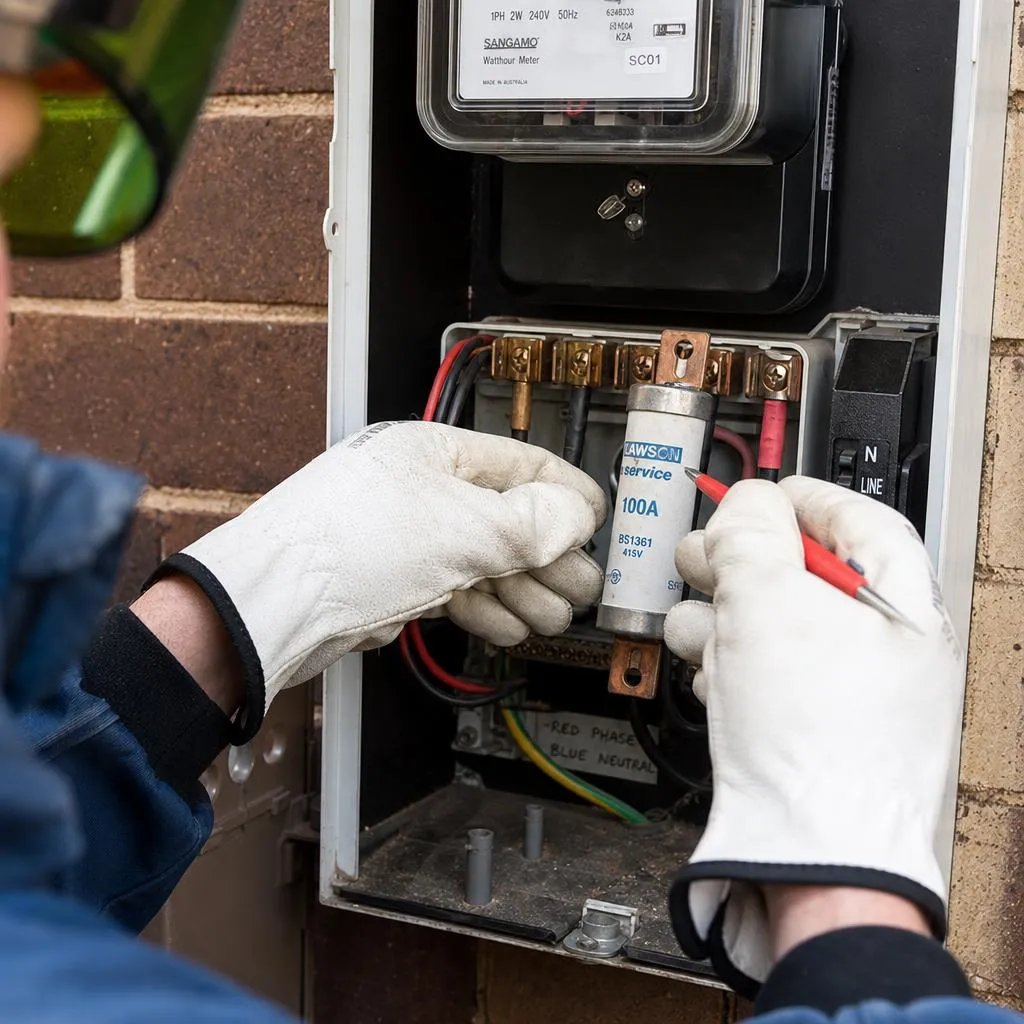
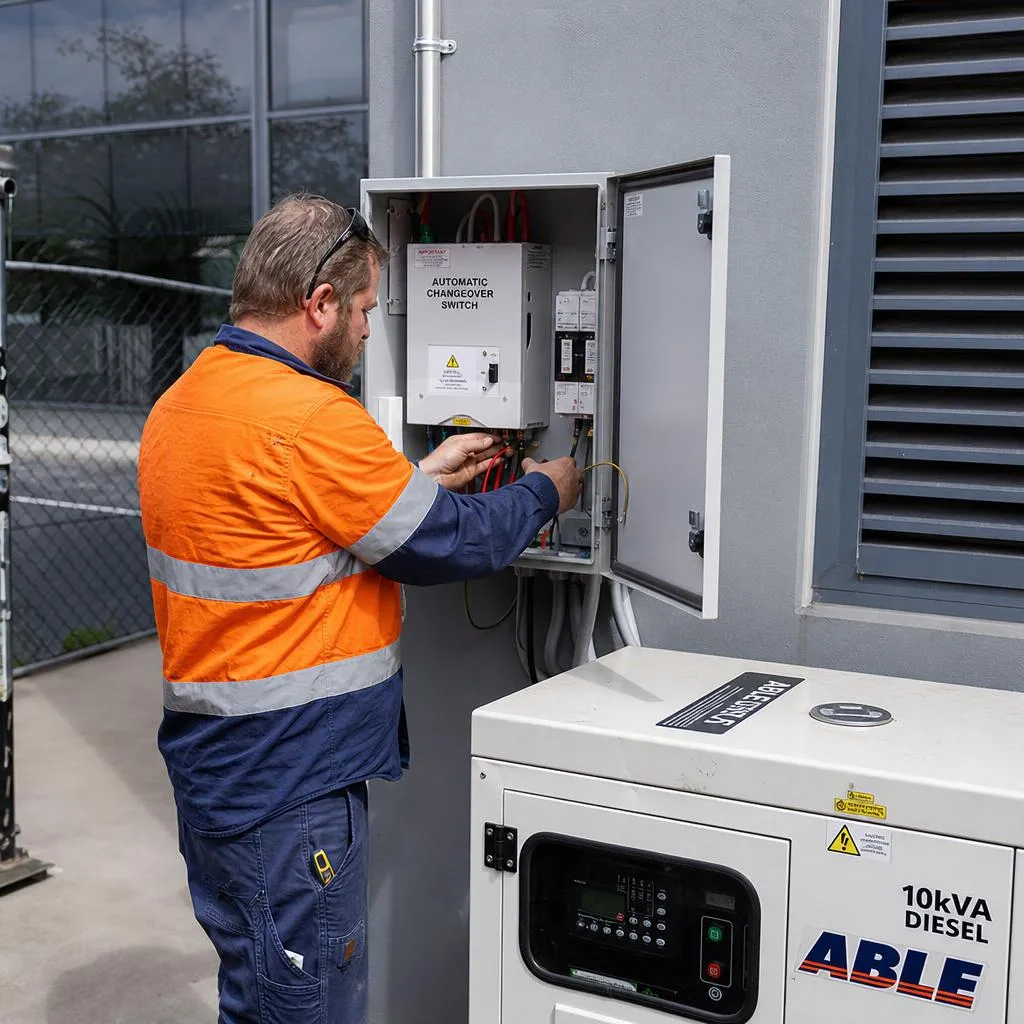
Need a Level 2 ASP Electrician?
Free assessment on any network electrical job. Emergency? We answer around the clock.