Metering & Solar
How to Get Separate Metering for a Granny Flat
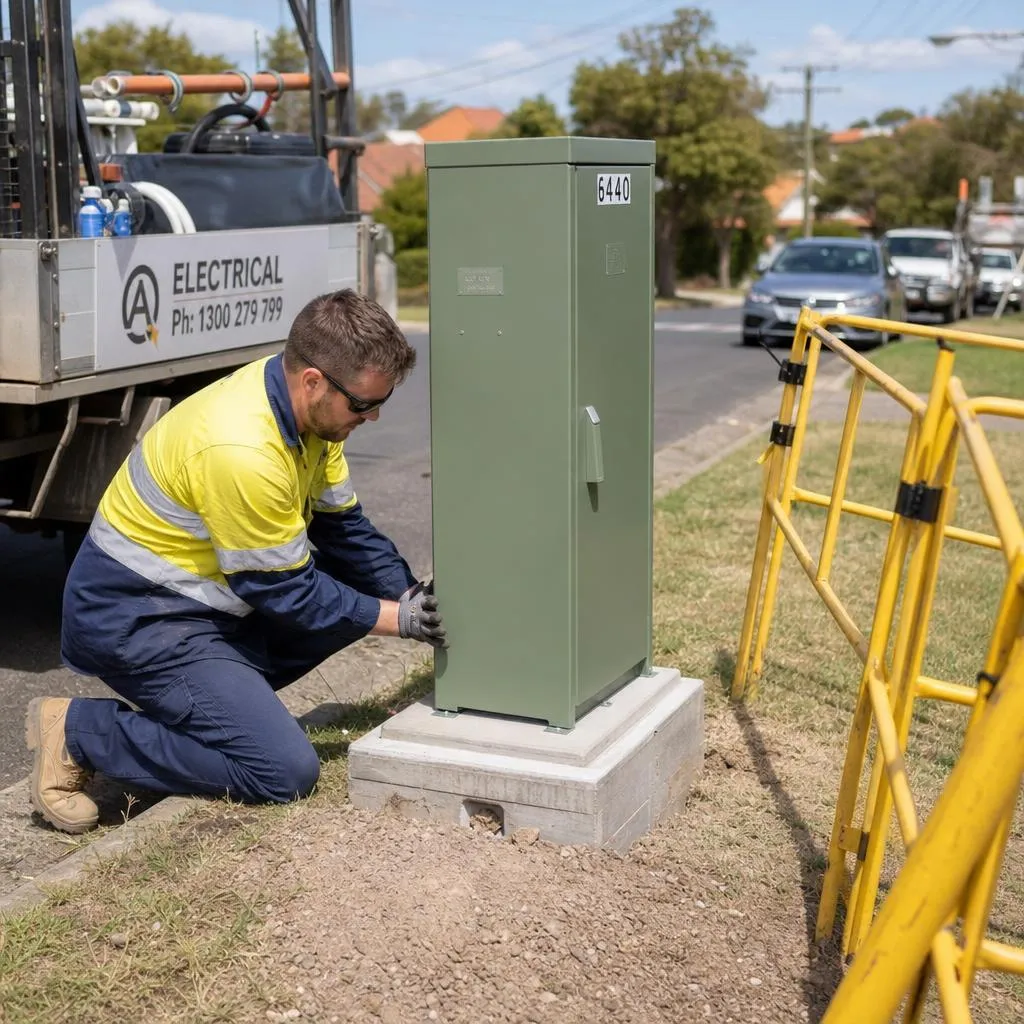
A secondary dwelling sharing a single meter with the main house creates an ongoing fairness problem — whoever pays the bill is effectively subsidising the other tenancy's usage. Separate metering solves this cleanly, and it's often required for DA approval anyway.
Why It's Usually Required, Not Optional
Most Sydney councils require separate metering as a condition of granny flat or dual occupancy approval, particularly if the secondary dwelling will be rented independently. Even where it's not mandated, separate metering gives each tenancy its own NMI (National Metering Identifier) and billing account, removing any dispute over usage.
The Process
We start with a site assessment to confirm switchboard capacity and cable runs, then lodge a metering application with your network operator to establish a new connection point and NMI for the secondary dwelling. A new Type 4 smart meter is installed and registered with your chosen retailer, and the physical wiring separation is completed at the switchboard.
For larger secondary dwellings with heavier loads — a granny flat with ducted air conditioning, for example — CT metering may be recommended instead of a standard direct-connect meter.
Timeline and Cost Factors
Most granny flat metering jobs are completed within a day once the network application is approved, though approval timeframes vary by distributor. Cost depends on cable run length, whether the existing switchboard has capacity for a second connection (if not, a switchboard upgrade is quoted alongside), and whether any consumer mains work is needed to support the split. On larger blocks where the supply arrives via a private power pole, the pole's condition is checked at the same visit because it will carry the extra load.
If the existing meter box can't take a second meter, a metering panel replacement is usually the tidiest fix. Where the granny flat is a new build with no supply at all yet, the job is handled as a new power connection rather than a split — see our network connection service for how that runs.
Call us now for a no-obligation quote. Emergency response available 24/7.
0466 125 125Get a Free Quote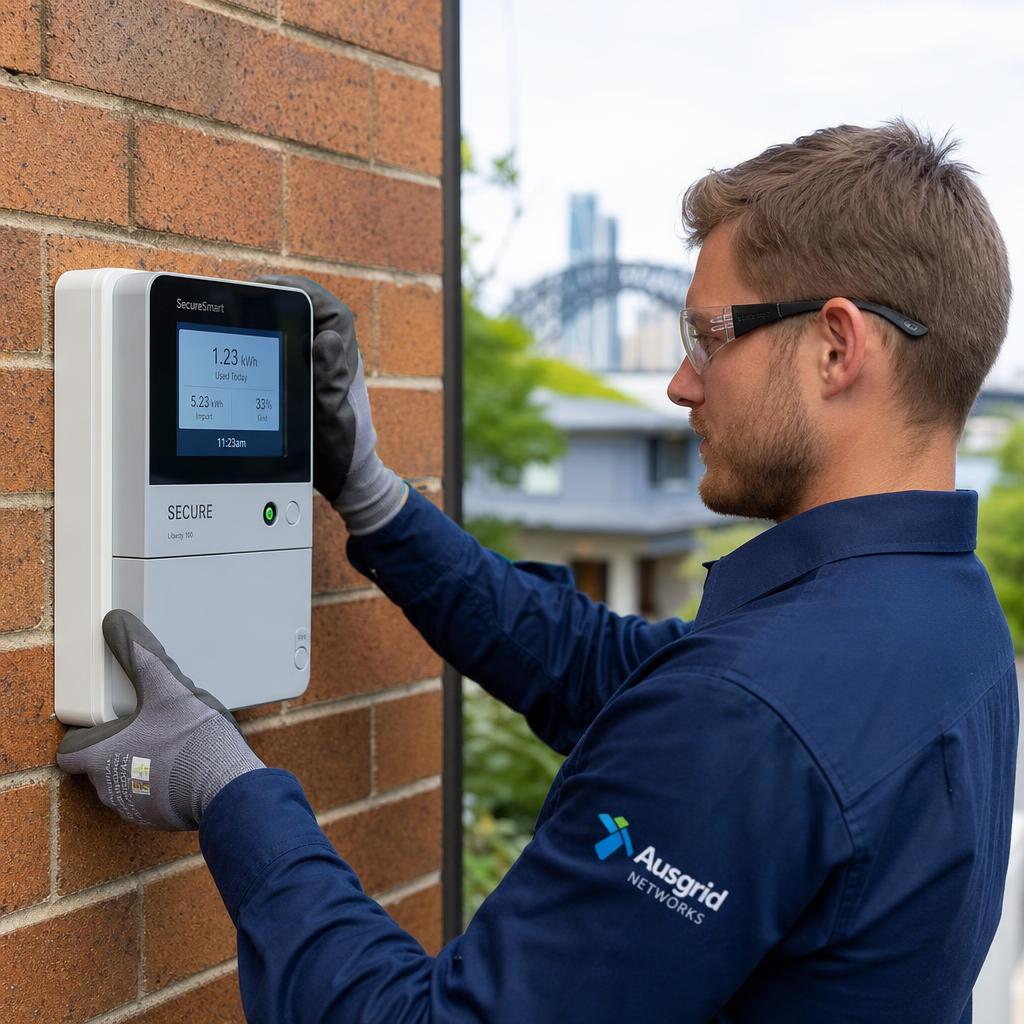
Need a Level 2 ASP Electrician?
Free assessment on any network electrical job. Emergency? We answer around the clock.