Safety
Do I Need a Safety Switch? NSW Rules Explained
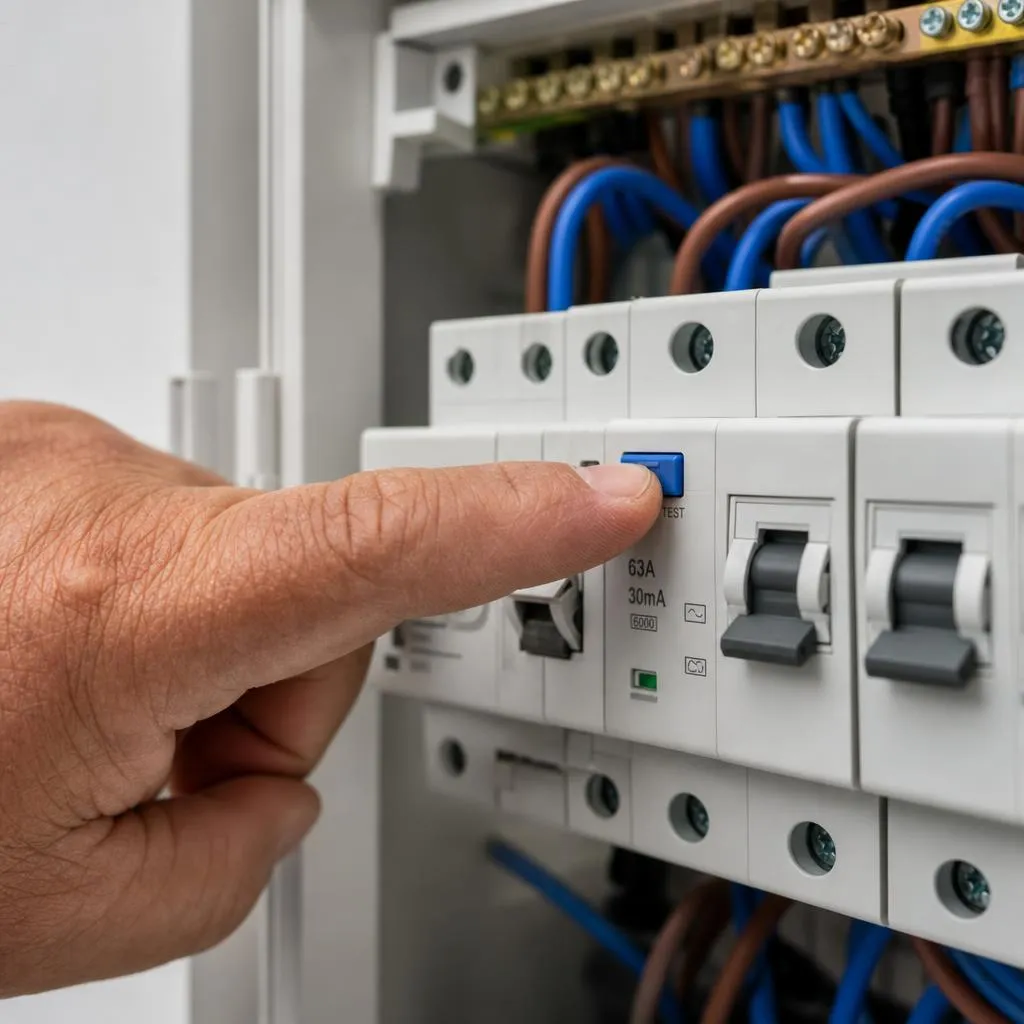
A safety switch — technically a residual current device, or RCD — is designed to cut power in a fraction of a second when it detects electricity leaking to earth, which is often the difference between a mild shock and a fatal one. Many older Sydney homes were built before RCDs were mandatory, so if you've never checked your switchboard, it's worth knowing exactly what NSW rules require and what to do if you're missing one. Any work on the network side of your meter needs a Level 2 ASP like Sydney Power Group.
Safety Switch vs Circuit Breaker
People often use the terms interchangeably, but they do different jobs. A circuit breaker protects the wiring from overload and short circuits — it stops cables overheating and starting fires. A safety switch protects people by detecting the tiny leakage current that flows when someone touches a live part or when a faulty appliance leaks to earth.
You need both. A modern switchboard usually combines them as RCBOs (one device per circuit) or uses a shared RCD covering several circuits. If your board only has old ceramic fuses or plain circuit breakers, you almost certainly have no personal shock protection at all.
What NSW Rules Require
Under NSW electrical safety rules, safety switches are required on power and lighting circuits in new work and whenever those circuits are altered or extended. When you sell or lease a residential property in NSW, the property must have working safety switches on the relevant circuits, so this often comes up at the point of sale or a new tenancy — landlords and agents can run through the rental property electrical checklist to see where a property stands before it's listed.
Even where the law doesn't force a retrofit on an untouched old installation, leaving a home without RCD protection is a genuine hazard. If any circuit work is done, the electrician is generally required to bring the affected circuits up to current standards, which usually means adding safety switches via a switchboard upgrade.
How to Tell What You Have
Open your switchboard and look for a device with a small 'TEST' button — that's a safety switch. If you press it (with the power on) and the switch trips off, it's working. No test button anywhere usually means no RCD protection. A board full of round ceramic fuses is a strong sign the installation is decades old and due for attention. For a circuit-by-circuit picture, run the safety switch coverage checker — tick what's on your board and see exactly which circuits are protected and where the gaps are.
If your board is crowded, corroded, or has no room for new devices, adding safety switches may mean upgrading the board itself.
When to Call a Level 2 ASP
Adding safety switches inside your board is standard electrical work, but if the upgrade requires reworking the consumer mains or the connection back to the grid, that's Level 2 ASP territory. As Ausgrid, Endeavour and Essential Energy authorised ASPs, we can handle the whole job end to end. Call 0466 125 125 or book a free on-site quote.
Call us now for a no-obligation quote. Emergency response available 24/7.
0466 125 125Get a Free Quote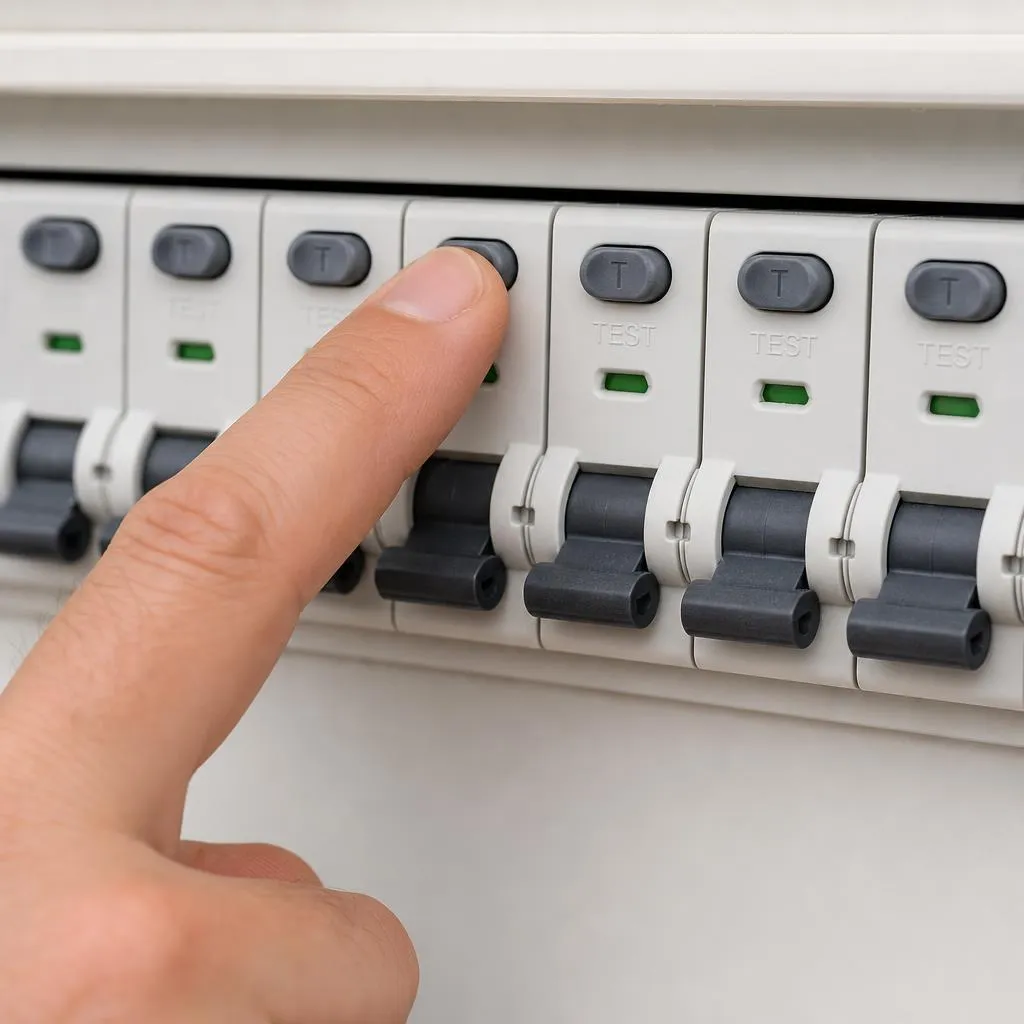
Need a Level 2 ASP Electrician?
Free assessment on any network electrical job. Emergency? We answer around the clock.