Safety
Child Electrical Safety at Home: What Actually Protects Kids
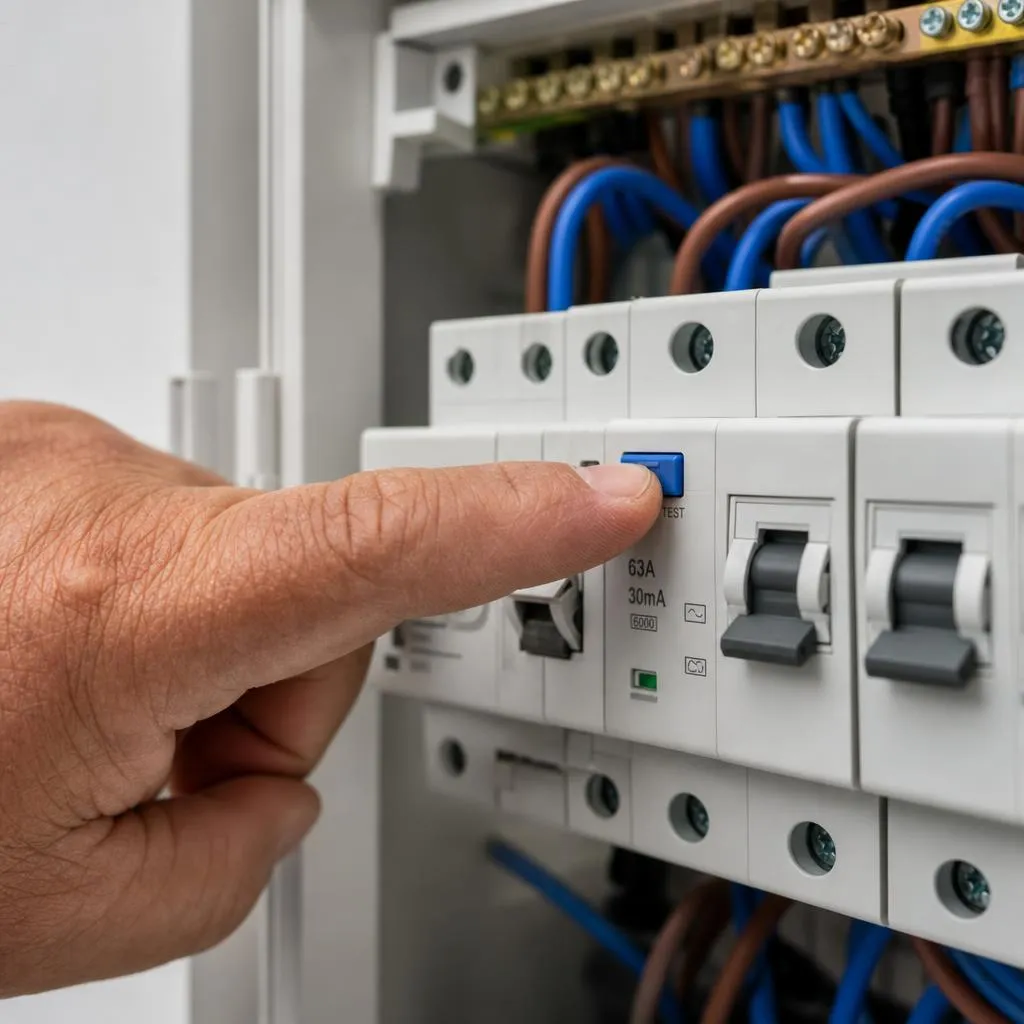
Kids explore with their fingers, and power points sit exactly at toddler height. Most parents cover the obvious things — outlet plugs, cords out of reach — but the protection that actually decides the outcome if a child contacts electricity isn't a plastic cap. It's whether your switchboard has safety switches on every circuit, and whether the wiring behind your walls is sound.
The One Device That Changes the Outcome
A safety switch (RCD) detects current leaking to earth — including through a person — and cuts power in a fraction of a second, dramatically reducing the risk of a shock turning fatal. It's not a guarantee — which is why supervision and the habits below still matter — but it's the single biggest layer of protection you can add. Fuses and ordinary circuit breakers do not do this; they protect cables from overload, not people from shock. If anyone ever does receive a shock, call 000 if they're injured, and have the installation checked by an electrician before assuming the cause is fixed.
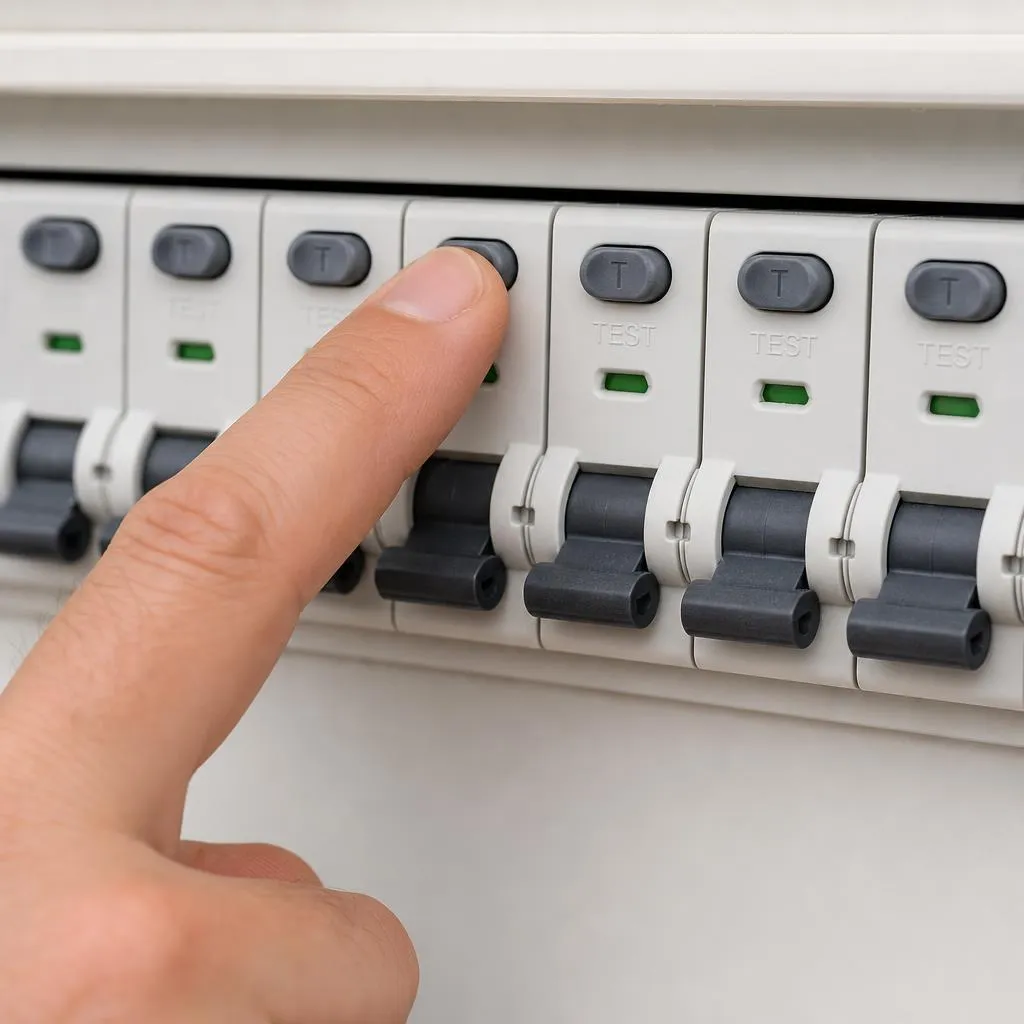
Here's the gap in many family homes: older properties often have safety switches only on power circuits, or none at all. Lights, the oven circuit, the hot water circuit and older power circuits can all be unprotected. If your board still has ceramic fuses, assume nothing is protected. The safety switch coverage checker maps your circuits in a minute and shows exactly which ones are unprotected, and our safety switch guide explains how to check — and pressing the test button on each safety switch every few months takes seconds.
Where the Risks Actually Are
Power points and cords — use outlet covers where practical, but treat them as a speed bump, not protection. Damaged cords, cheap unapproved chargers and overloaded powerboards are more common causes of shock and fire than the outlet itself. Replace frayed cords, don't daisy-chain powerboards, and keep chargers out of beds.
Bathrooms, kitchens and outdoors — water and electricity meet in these rooms, which is why appliances near sinks, baths and pools deserve the most caution. Keep appliances away from water, unplug them after use, and make sure outdoor outlets are the weatherproof type.
The garden — kids climbing trees near the service line, or playing near a damaged private power pole, face hazards parents often don't think of as 'electrical'. Teach kids to treat any fallen or dangling wire as live, stay well clear, and tell an adult — and call the network or a Level 2 electrician, never touch it.
Old Homes Raise the Stakes
In a modern home with full RCD protection, a child who contacts a fault has a far better chance of walking away with a fright and a tripped switch. In an older home, the odds are stacked the other way — old rubber-insulated VIR wiring with perished insulation, unearthed circuits, and boards without safety switches remove every layer of protection at once.
If you're renovating with a young family, or moving into an older house, an electrical inspection is one of the cheapest pieces of peace of mind you can buy. The wiring age checker gives you a 60-second read on whether your home is one of the risky ones, and our guide to common household electrical hazards covers what an inspection looks for.
Make the Board Safe First
If one thing on this page prompts action, make it the switchboard: full safety switch coverage on every circuit is the upgrade that protects your kids on every outlet, every light and every appliance at once. To get it done, call Sydney Power Group on 0466 125 125 or get a quote.
Call us now for a no-obligation quote. Emergency response available 24/7.
0466 125 125Get a Free QuoteRelated Services
Free Tools

Need a Level 2 ASP Electrician?
Free assessment on any network electrical job. Emergency? We answer around the clock.