EV Charging
EV Charger Installation Mistakes That Cost Sydney Homeowners
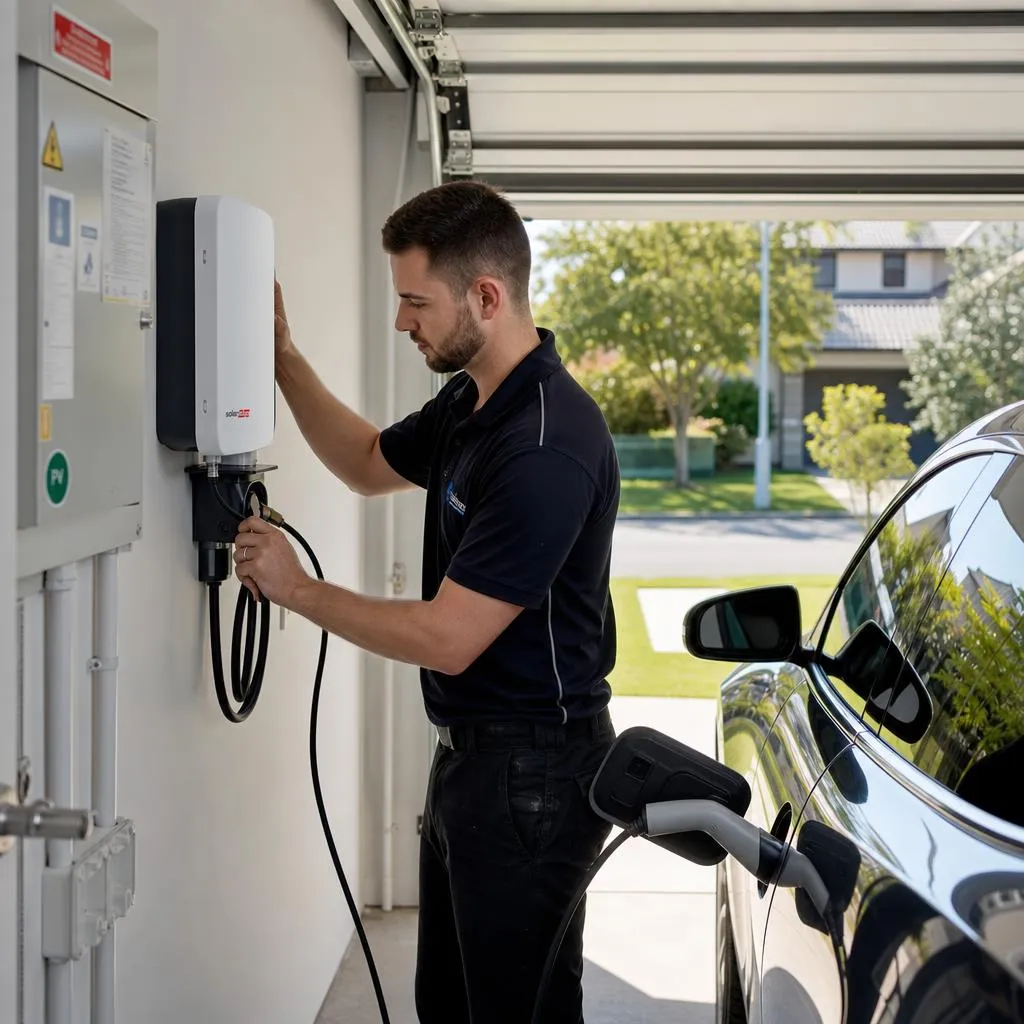
The car is ordered, the charger is in a box in the garage — and then the electrician's assessment lands: the house can't carry it. EV charging is the single biggest load most homes will ever add, and the mistakes below are the difference between a clean installation and an expensive rework. All of them are avoidable with one professional check done early.
Mistake 1: Buying the Charger Before Checking the House
A 7kW home charger draws around 32A — one of the largest single loads a home can add. On an older 63A supply with electric cooking, air con and a pool, there may simply be no room — and no charger brand fixes that. The order matters: check the supply first, then buy. Our EV charger readiness checker gives you a first read in under a minute.
If the answer is tight, the options are load management (the charger throttles when the house is busy) or a supply upgrade. Both are far better discovered before the charger is purchased — some hardwired chargers and load-management setups depend on what the switchboard can take.
Mistakes 2–3: Cheap Gear and Ordinary Power Points
Non-compliant or grey-import chargers are a false economy. Chargers sold for the Australian market must meet Australian standards, and a licensed electrician can refuse to connect gear that doesn't. If the charger causes a fault or fire, non-compliant equipment is exactly what insurers look for.
Charging long-term from a standard power point is the quieter mistake. A regular outlet was never designed to run at near-full load for eight hours every night; heat builds at the socket and in older circuits over months. Trickle charging is fine occasionally — as a permanent arrangement it deserves a dedicated, RCD-protected circuit sized for continuous load, installed by a licensed electrician.
Mistakes 4–5: Ignoring Three-Phase and the Switchboard
Not asking the three-phase question. If you're planning faster charging (11–22kW), two EVs, or a big electrification push, three-phase power may be the right foundation — and it changes what charger you'd buy. Converting later means paying twice.
Assuming the switchboard is ready. The new circuit needs spare ways and proper protection, and old boards frequently have neither. If the board also predates safety switches, the EV circuit becomes the trigger for the upgrade that was due anyway.
Get the Assessment Before the Charger
Every mistake above is avoided by the same step: a professional supply and switchboard assessment before anything is bought. If it leads to a consumer mains upgrade, three-phase conversion or metering work, that's Level 2 ASP territory — Sydney Power Group is accredited across the Ausgrid, Endeavour Energy and Essential Energy networks. Call 0466 125 125 or get a quote.
Call us now for a no-obligation quote. Emergency response available 24/7.
0466 125 125Get a Free QuoteRelated Services
Free Tools
Need a Level 2 ASP Electrician?
Free assessment on any network electrical job. Emergency? We answer around the clock.